THE WORK BEHIND THE RIDE
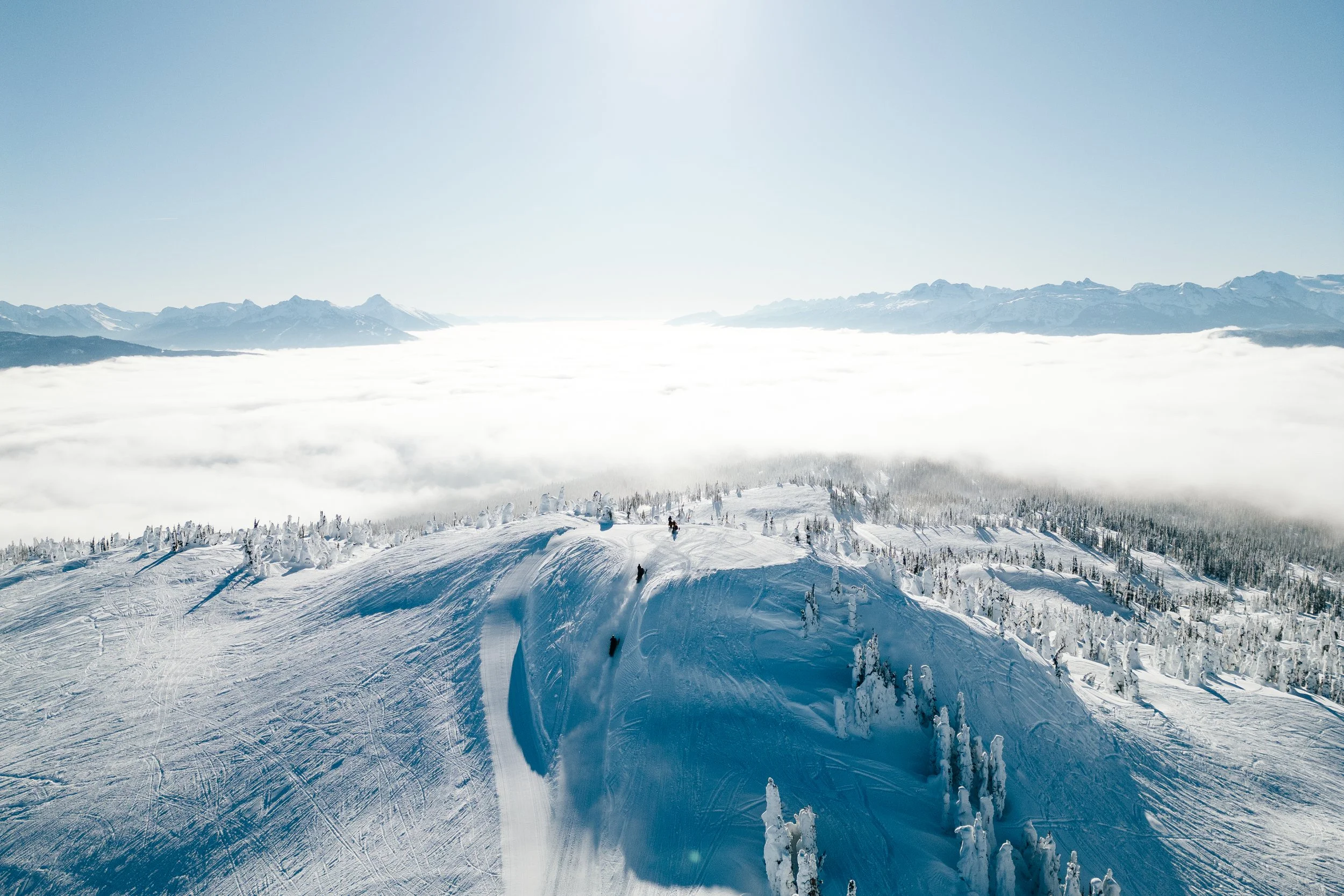
For nearly three decades, Great Canadian Tours has made a profession of bringing riders and Revelstoke's mountains together, and knowing what's possible once they meet.
Some arrive in Revelstoke having never touched a throttle. Others bring their own machines and decades of mountain riding behind them.
For a first-timer, a guide takes care of the mountain knowledge so they can concentrate on learning the machine, looking up and having fun. For an experienced rider, the value is different. They've got a handful of days in Revelstoke, an enormous backyard and only part of the story.
The rest starts gathering long before the engines do.
BEFORE THE ENGINES START
At 8 a.m. sharp, Great Canadian's guides gather around the table. Weather and avalanche forecasts are up. Yesterday's observations are compared with what's being reported across the professional mountain community. Developing guides sit alongside senior ones. Someone throws out an idea. Someone else pokes a hole in it. A plan starts to take shape.
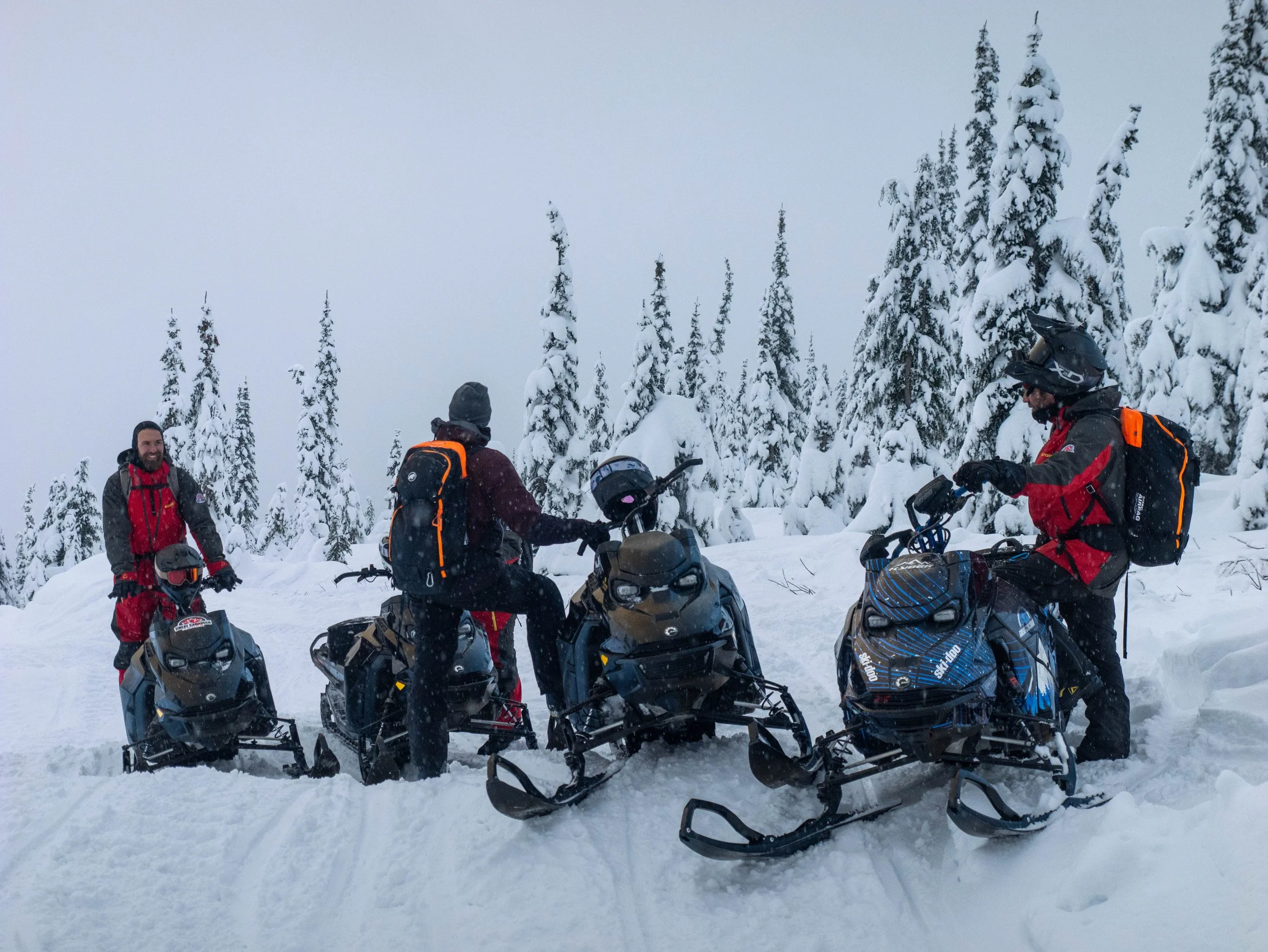
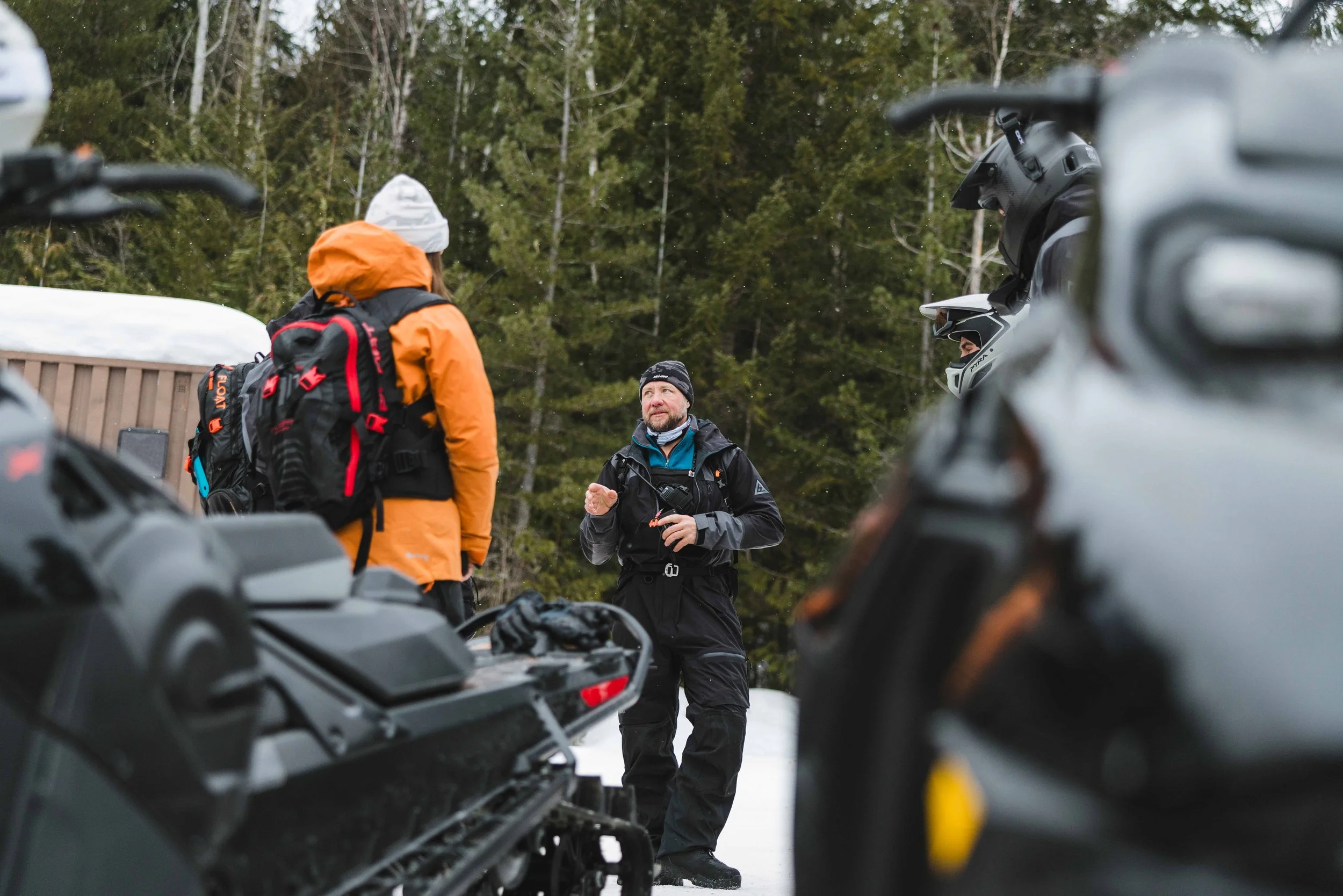
Once guide and guest meet, the other half of the day comes into focus: who is riding, what they came for and what might be possible together.
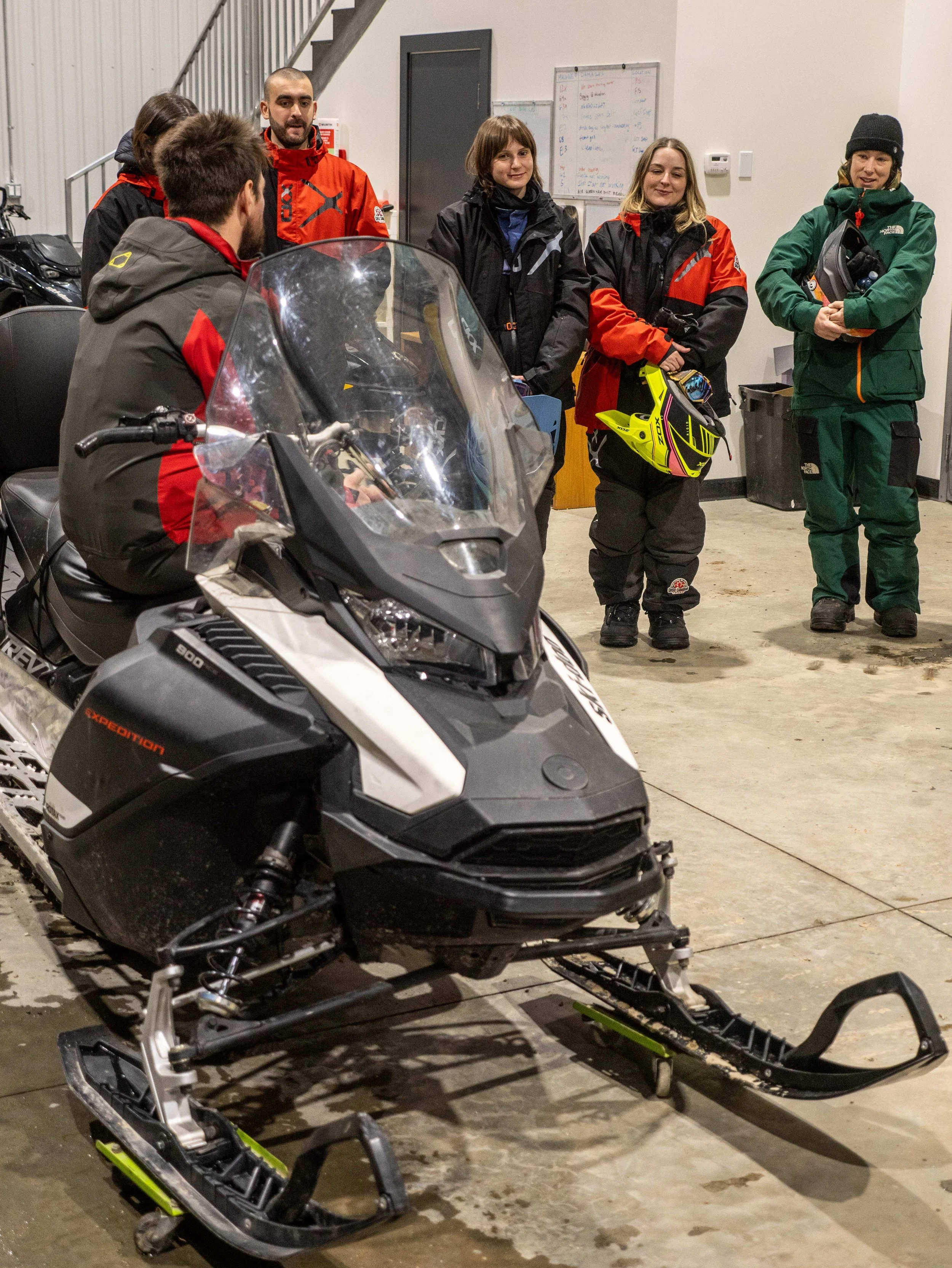
The guide may be the person you follow into the mountains, but getting there takes a much bigger team. Great Canadian's office staff help guests arrive ready for the day, while the rental and fleet crew keeps the machines fuelled, maintained and ready to go.
By the time the engines start, a remarkable amount has already happened to make the experience feel simple.
THEN COMES THE FUN PART
On a Boulder Mountain day, riders can leave Great Canadian's shop west of town on their sleds and head through the west gate. But Boulder is only one option. Where the guides point the group depends on the snow, the conditions and who's following behind.
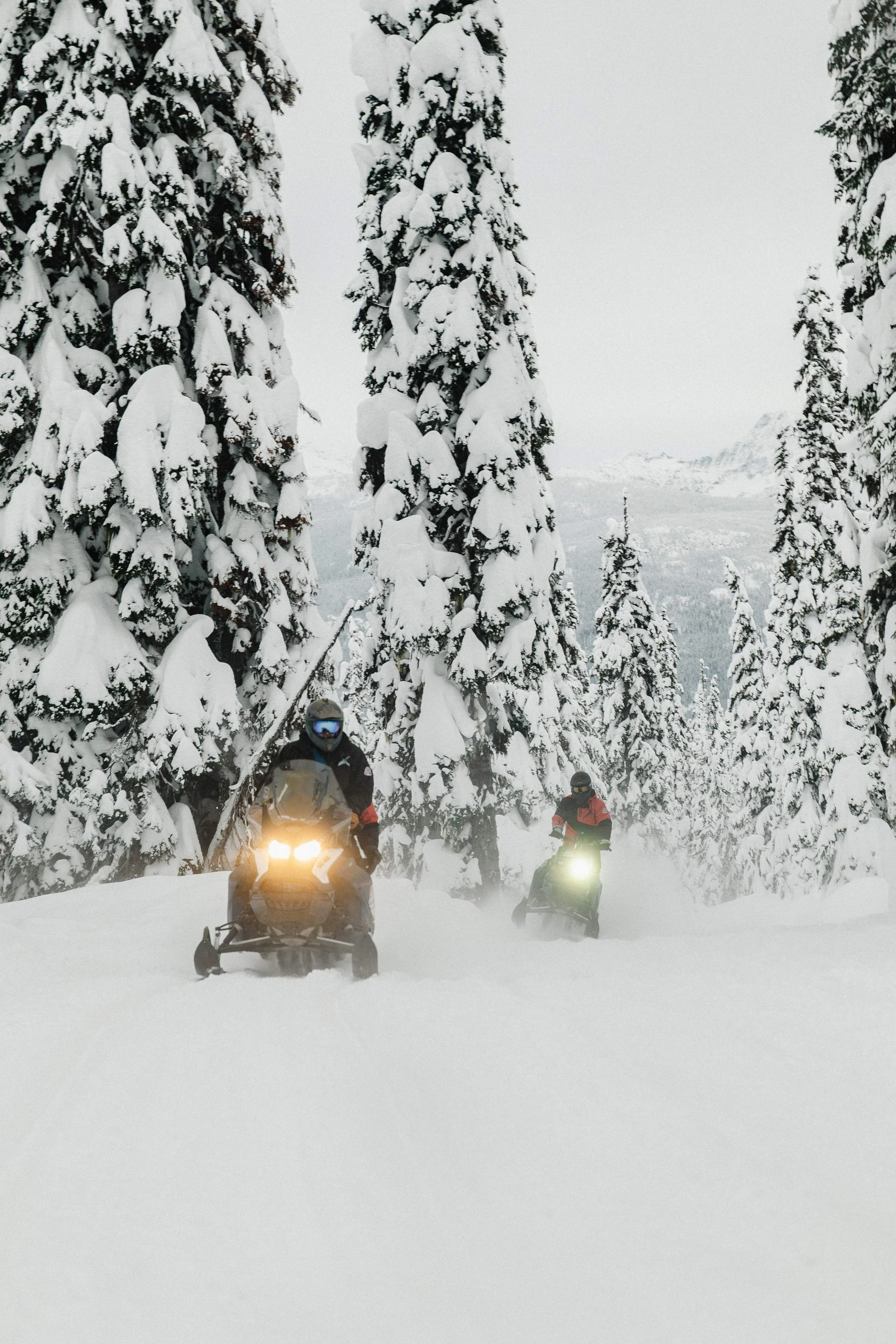
From the west gate, the trail climbs steadily through big timber and snow-laden forest. Every so often the trees break just long enough to reveal the dam and town far below. Then they close in again and you keep climbing.
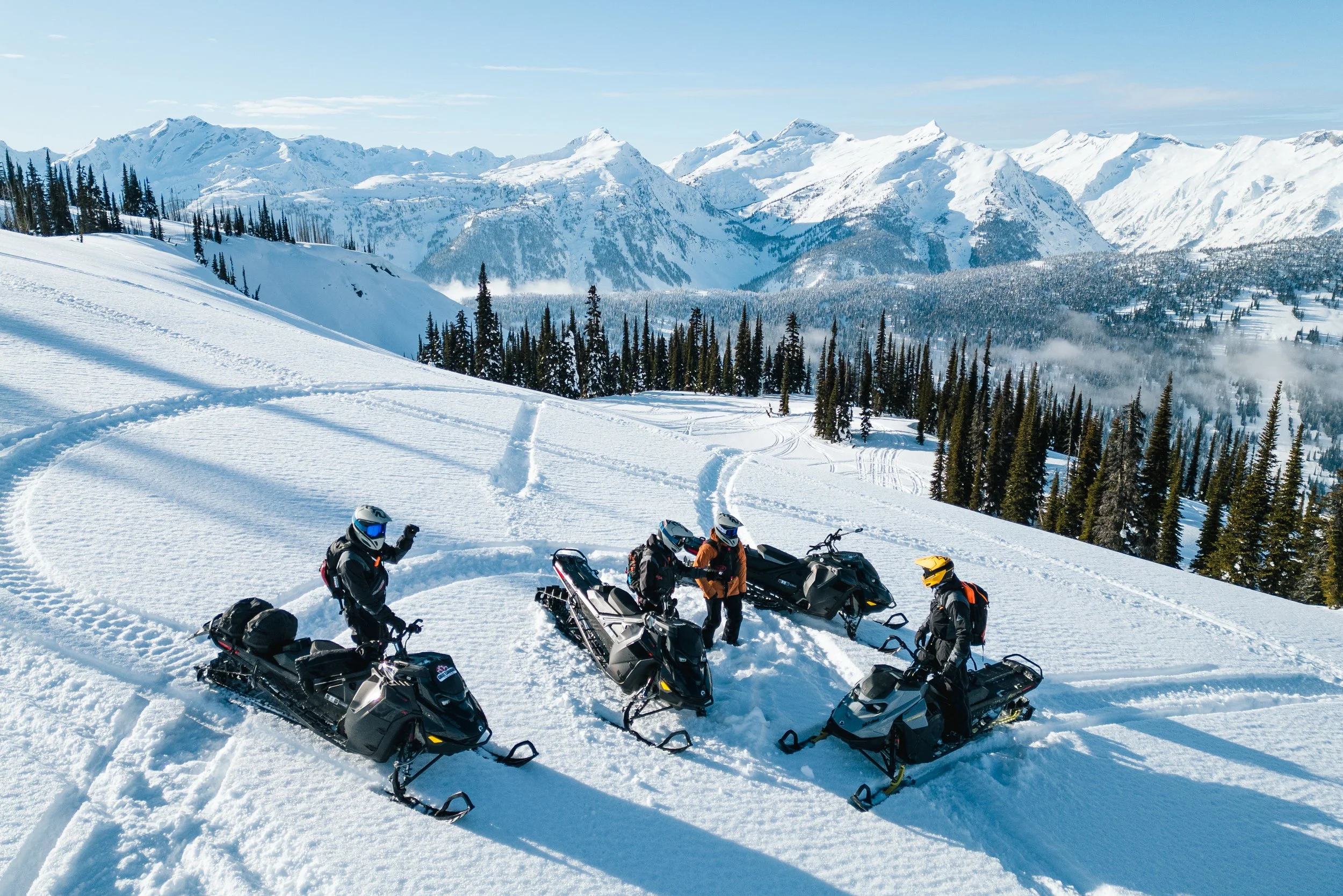
Past the Boulder cabin, the forest begins to thin. A little higher, you break treeline and suddenly there it is: broad bowls, gullies, ribbons of trees and a plateau that seems to reveal more terrain the farther you travel into it.
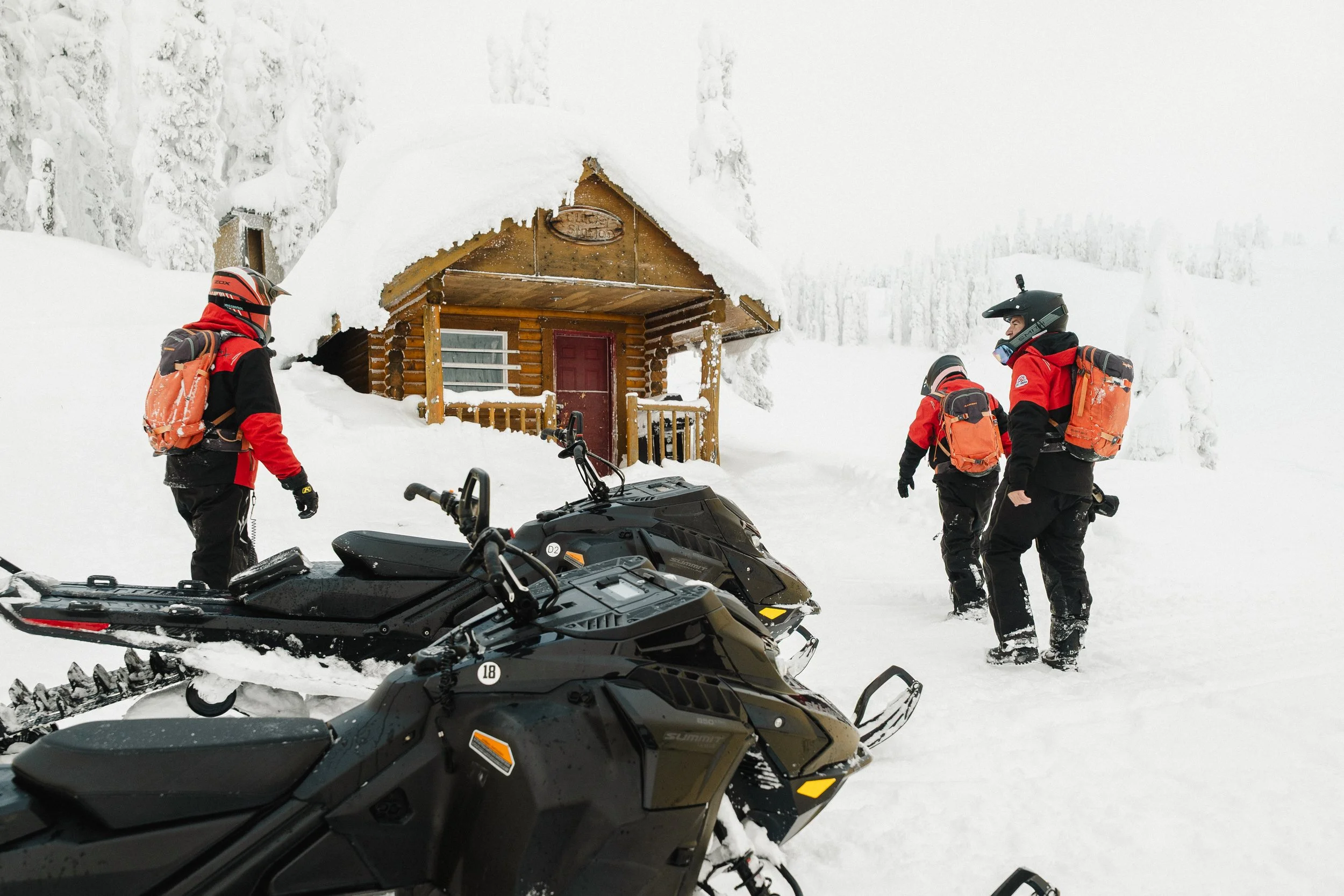
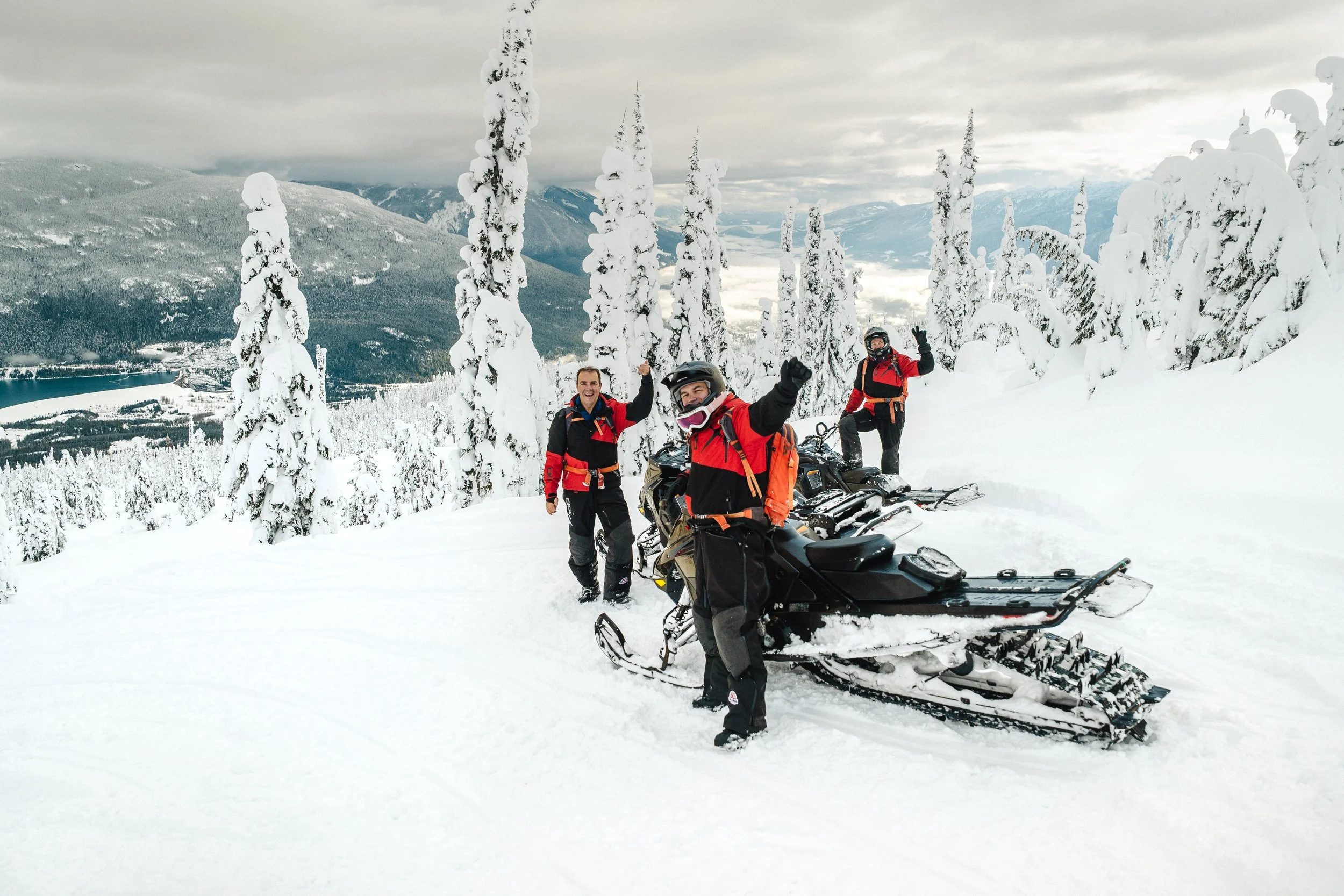
There's plenty up here to steal your attention. The guide, meanwhile, is still reading the day: snow, weather, terrain, energy, confidence and ambition.
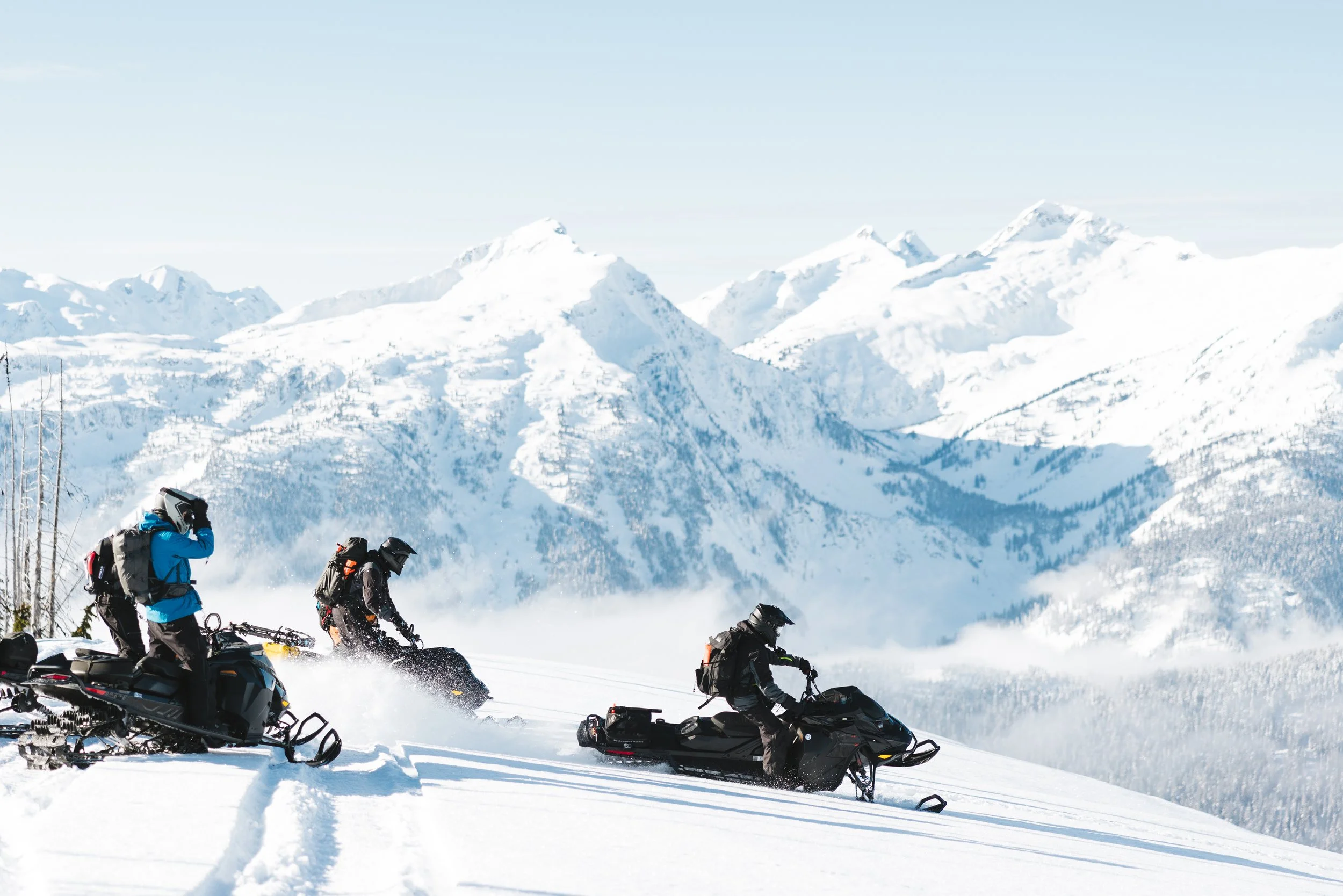
Someone who couldn't get their sled on edge that morning may be linking powder turns across a meadow by noon, helped along by a few well-timed tips. With an experienced crew, the guide stays a few moves ahead, knowing when to leave the obvious tracks behind.
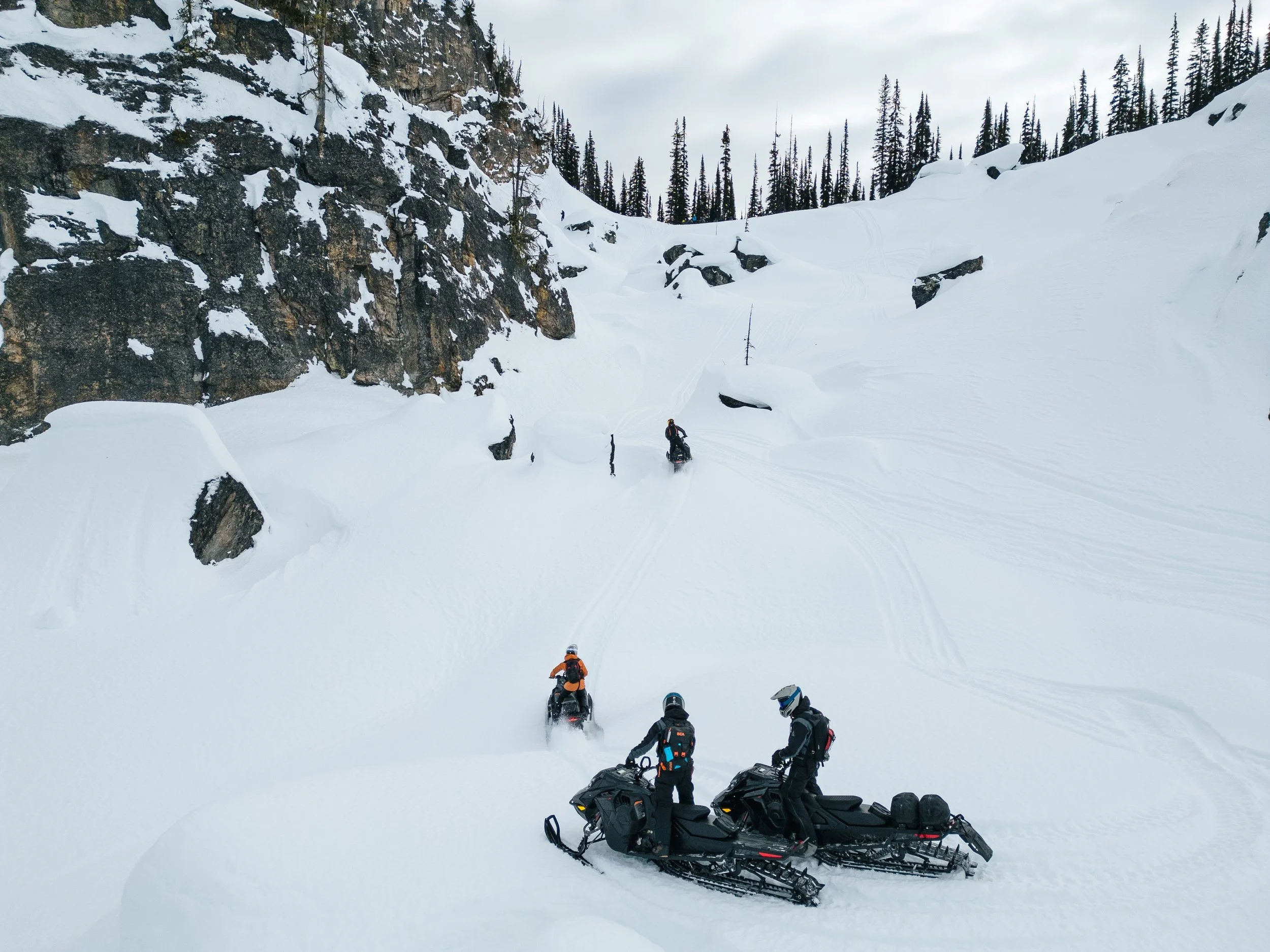
The rest of the day disappears remarkably quickly. Back at Great Canadian, there are tired arms, wet gloves, photos and stories for dinner. Guides bring back what they learned. Machines are checked and made ready for another morning.
Going farther has never been only about distance. There's a difference between finding your way into the mountains and finding what becomes possible once you're there.
For nearly three decades, Great Canadian's guides have made a profession of knowing the difference.
But that kind of knowledge doesn't come with the keys to a snowmobile. It's earned over years in the mountains, and there's a whole lot more to becoming a guide than being a good rider.
EXPLORE THE SERIES
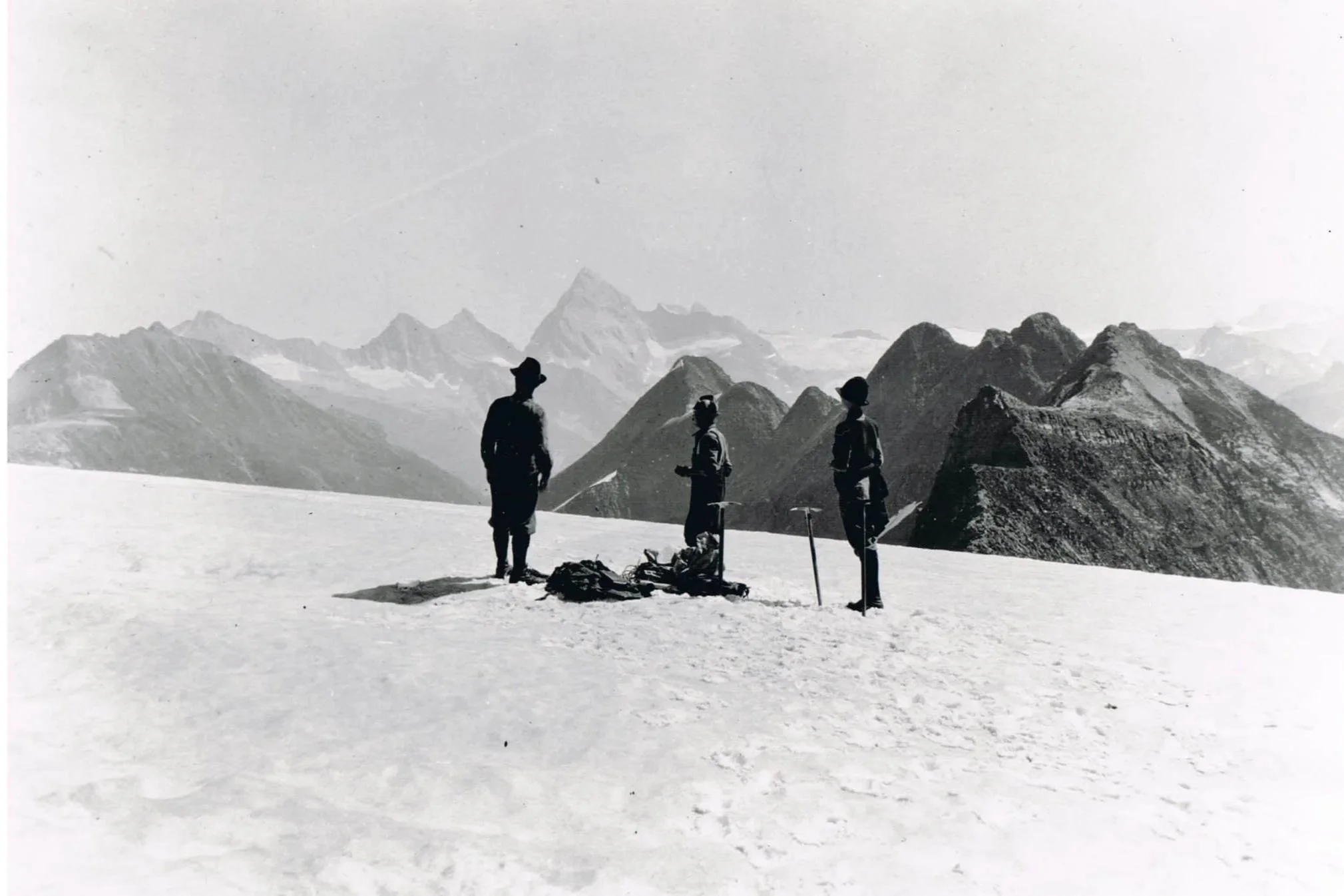
CHAPTER 1: BEFORE THE MOUNTAINS BECAME THE DESTINATION
Discover how Rogers Pass and the first Swiss mountain guides helped shape British Columbia's adventure tourism history.
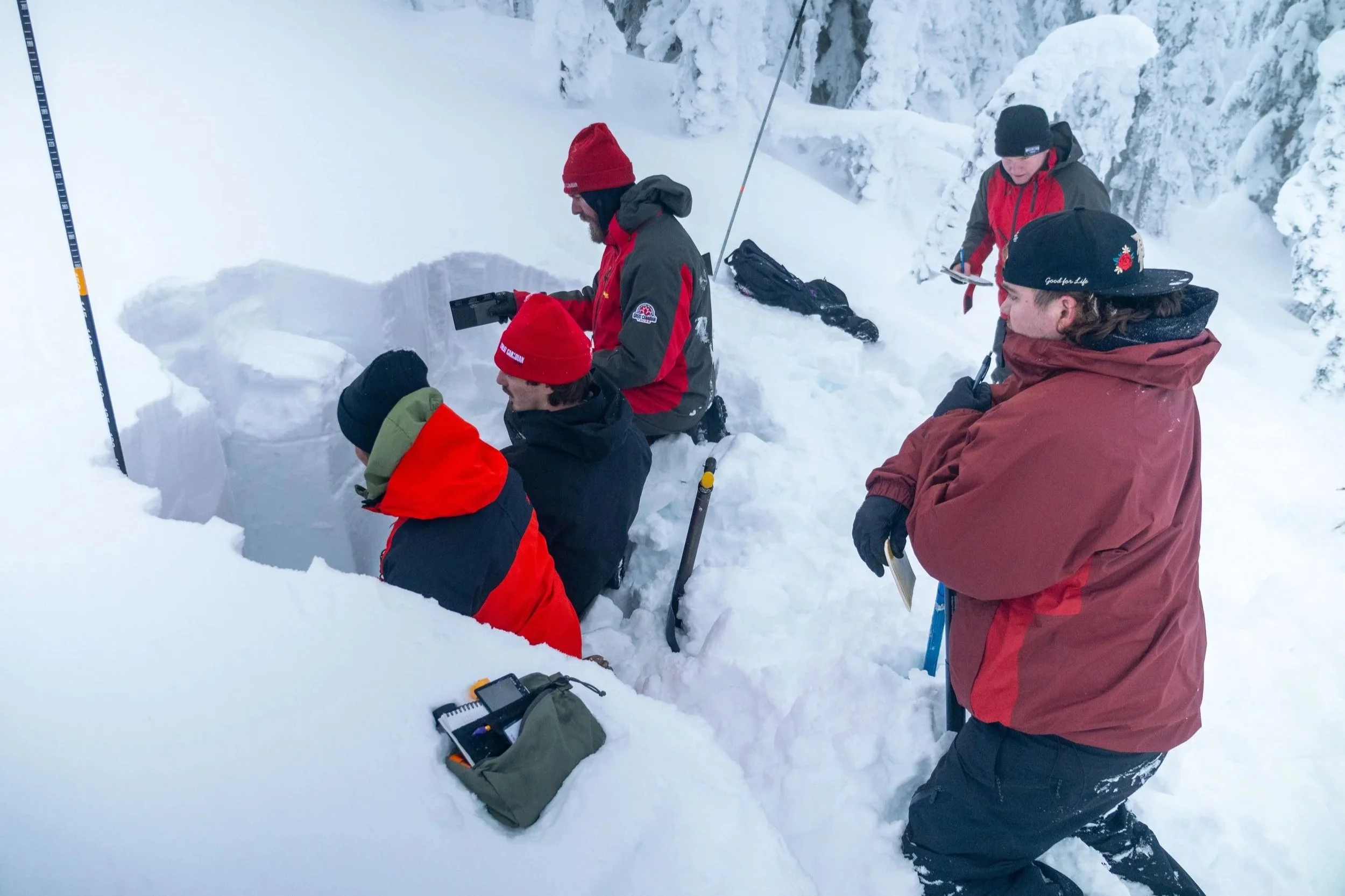
CHAPTER 3: THE MAKING OF A MOUNTAIN GUIDE
Explore the experience, mentorship and professional skills behind mountain snowmobile guiding.