THE UNLIKELY ORIGINS OF BC’S MOUNTAIN ADVENTURE INDUSTRY
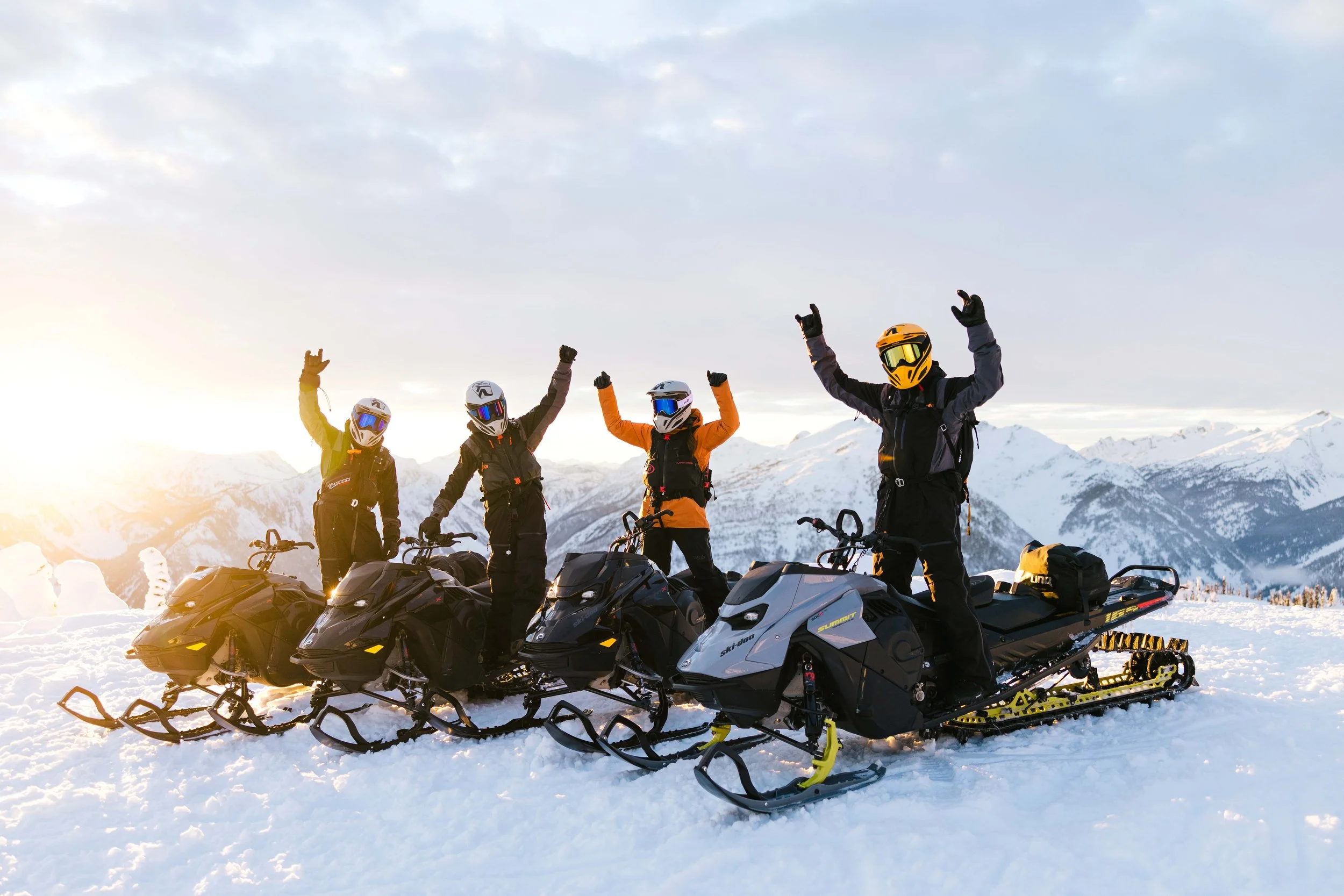
From the first Swiss mountain guides at Rogers Pass to modern snowmobile adventures, British Columbia has a long history of bringing people and its mountains together.
But before the mountains became a destination themselves, they were a barrier to reaching one. When British Columbia joined Confederation in 1871, a railway connecting the young province to the rest of Canada was part of the bargain. There was just the small matter of getting through some of the most uncooperative geography on the continent: the Rocky Mountains. By 1885, Canadian Pacific had found its way over Rogers Pass.
And then something curious happened: the mountains they had worked so hard to cross began giving people a reason to stay.
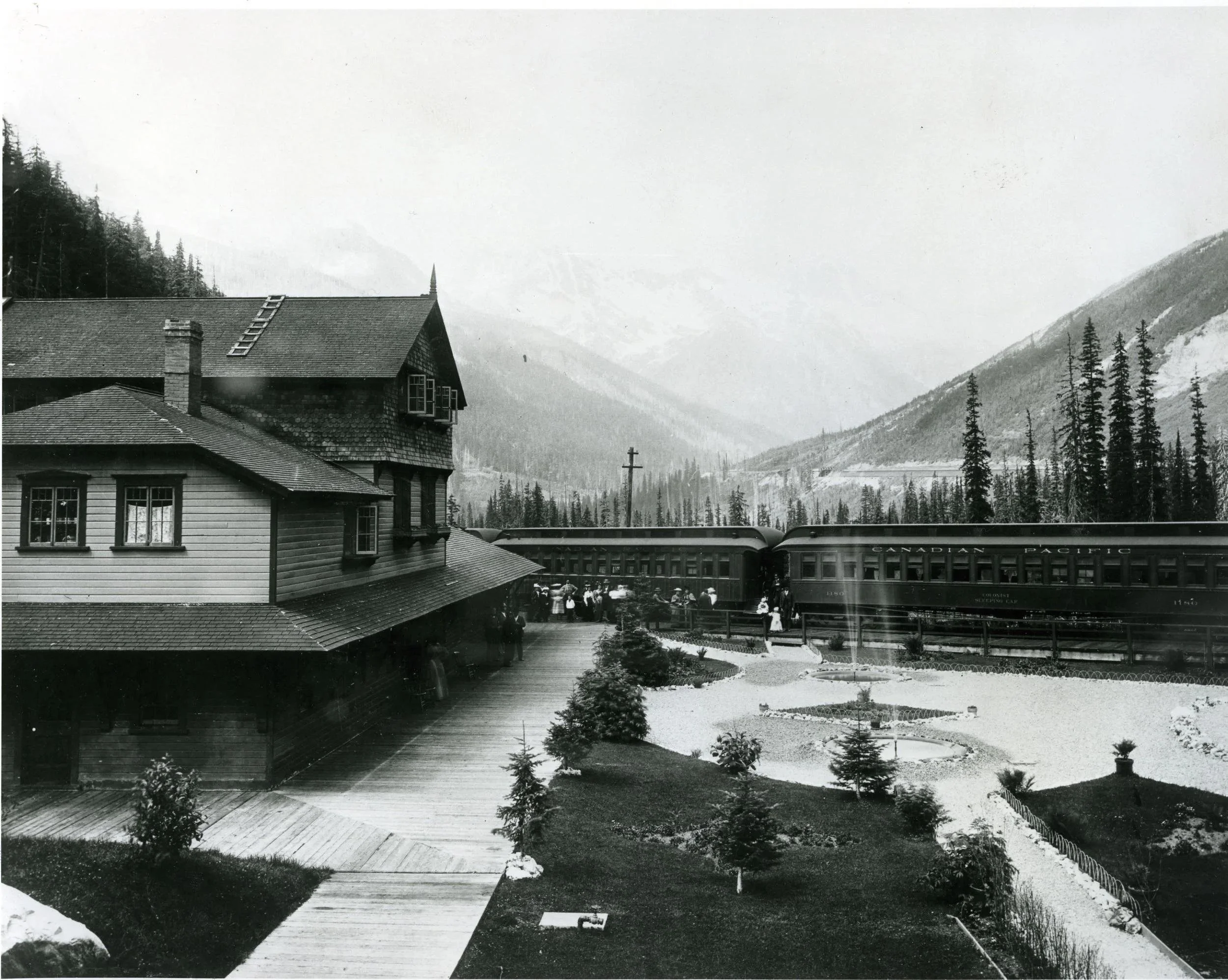
AN UNLIKELY BEGINNING
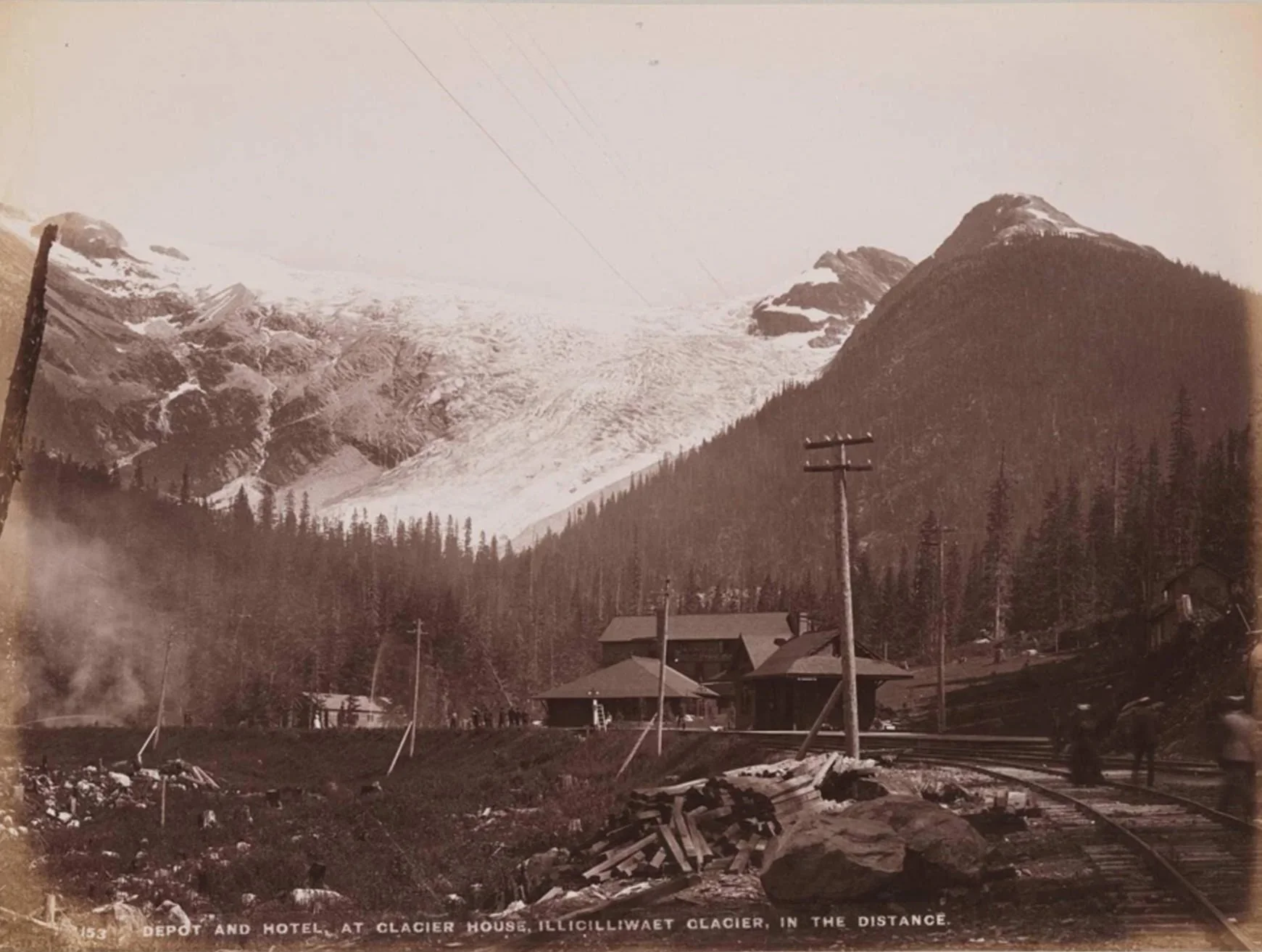
Canadian Pacific soon opened Glacier House beneath what was then known as the Great Glacier, now the Illecillewaet Glacier. With dining cars too heavy for the climb through Rogers Pass, passengers stopped there to eat. Curiosity soon carried some beyond the station, and trails began reaching into the surrounding peaks.
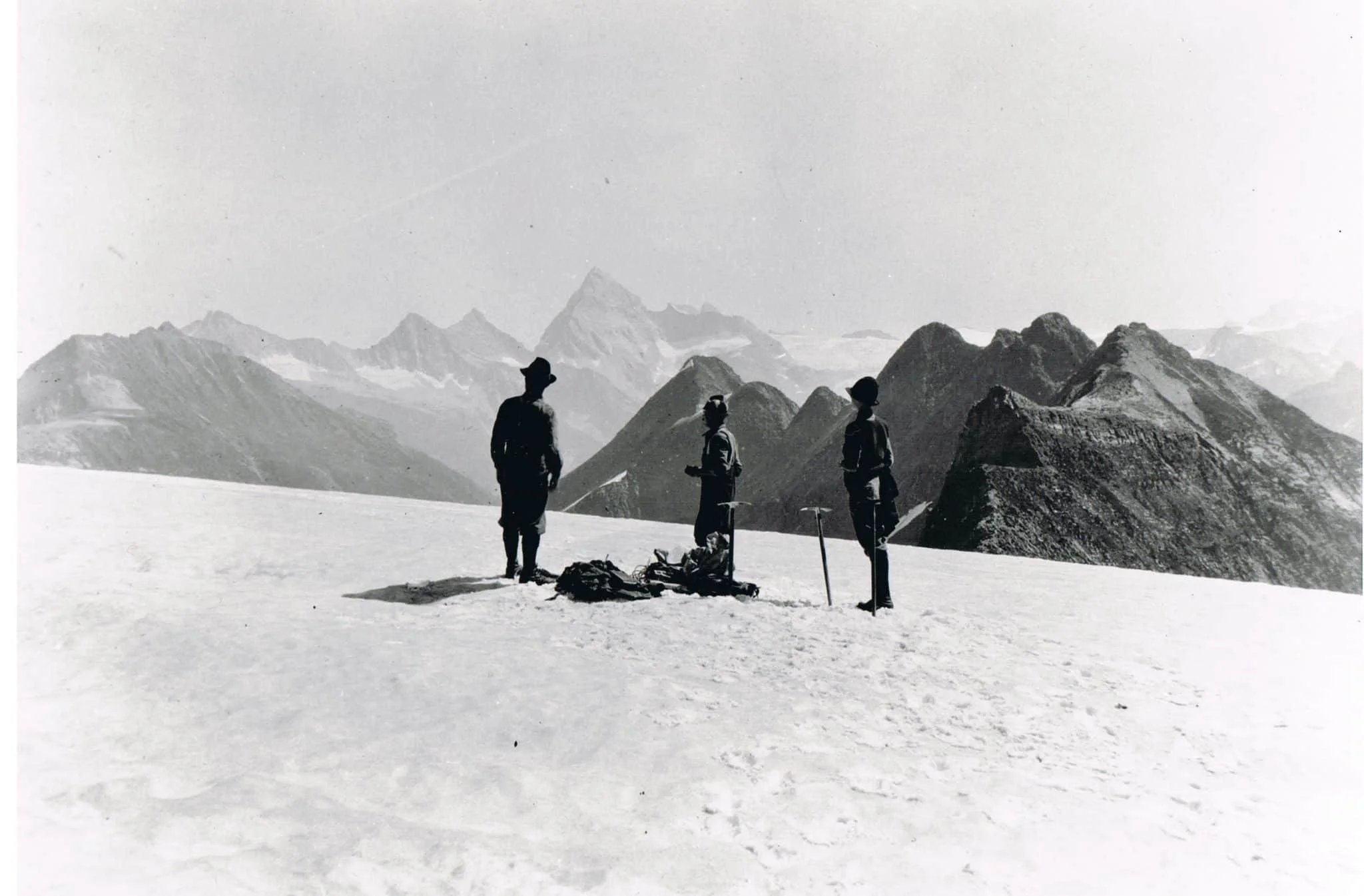
As visitors ventured farther, Canadian Pacific brought professional Swiss mountain guides to Rogers Pass in 1899. They led guests onto glaciers and summits, helping turn an unlikely railway stop into one of the early centres of Canadian mountaineering.
In the process, an early chapter in British Columbia's adventure tourism story was being written, shaped by the simple human desire to go farther and the knowledge, skill and respect required to do it well.
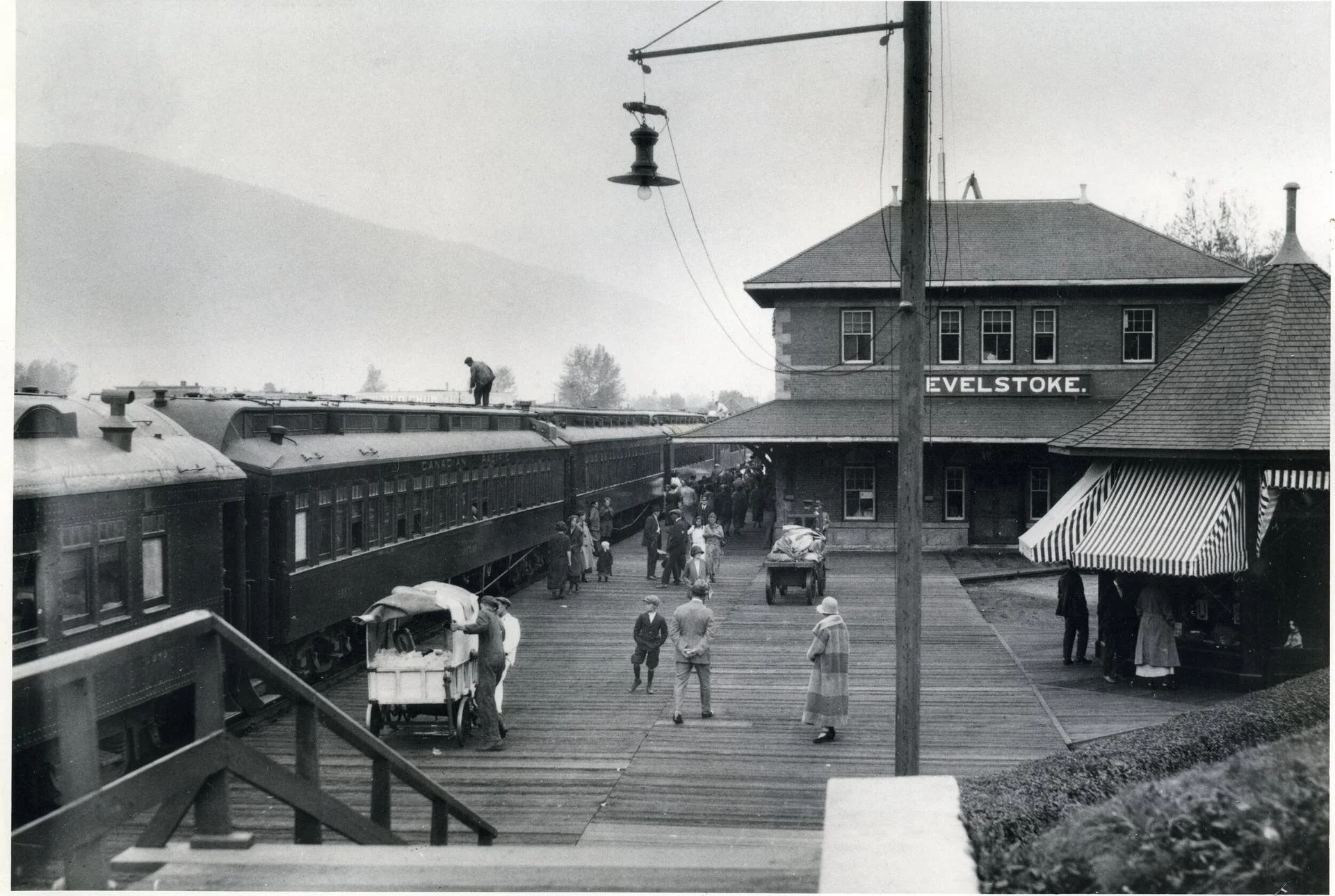
THE MOUNTAINS ARE STILL CALLING
More than a century later, Glacier House is gone, its remains slowly being reclaimed by the forest. Trains still thread through Rogers Pass and, across British Columbia, the ways people experience the mountains have multiplied almost beyond recognition.
But they are still coming, and they still want to know what's up there.
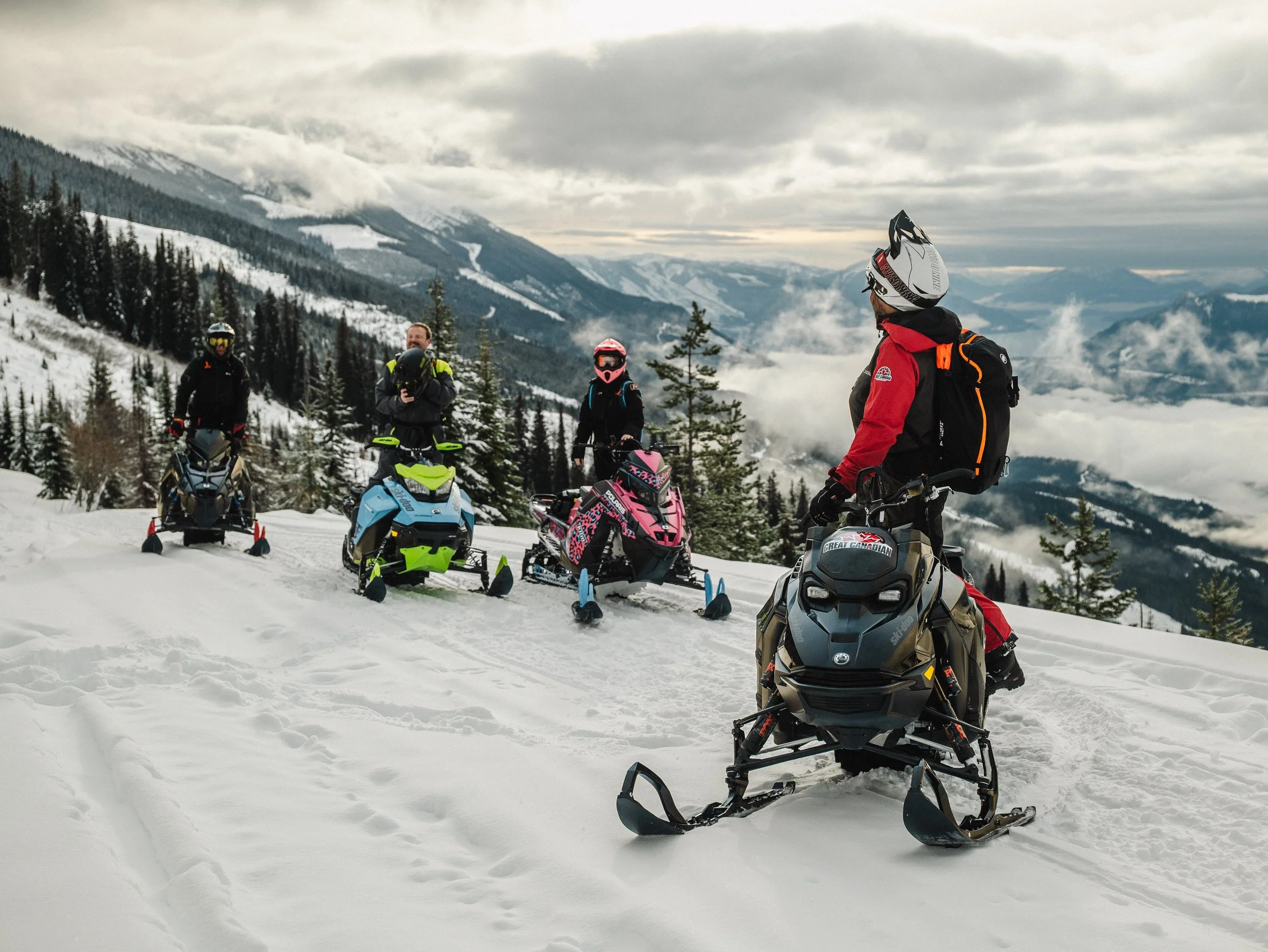
Mountain snowmobiling has become part of that story in its own right. Today, riders travel from around the world to experience British Columbia from the seat of a snowmobile.
The machines have changed what's possible, but the mountains still demand knowledge, preparation and respect. More than a century after the first Swiss mountain guides arrived at Rogers Pass, there's still a profession built around knowing the way.
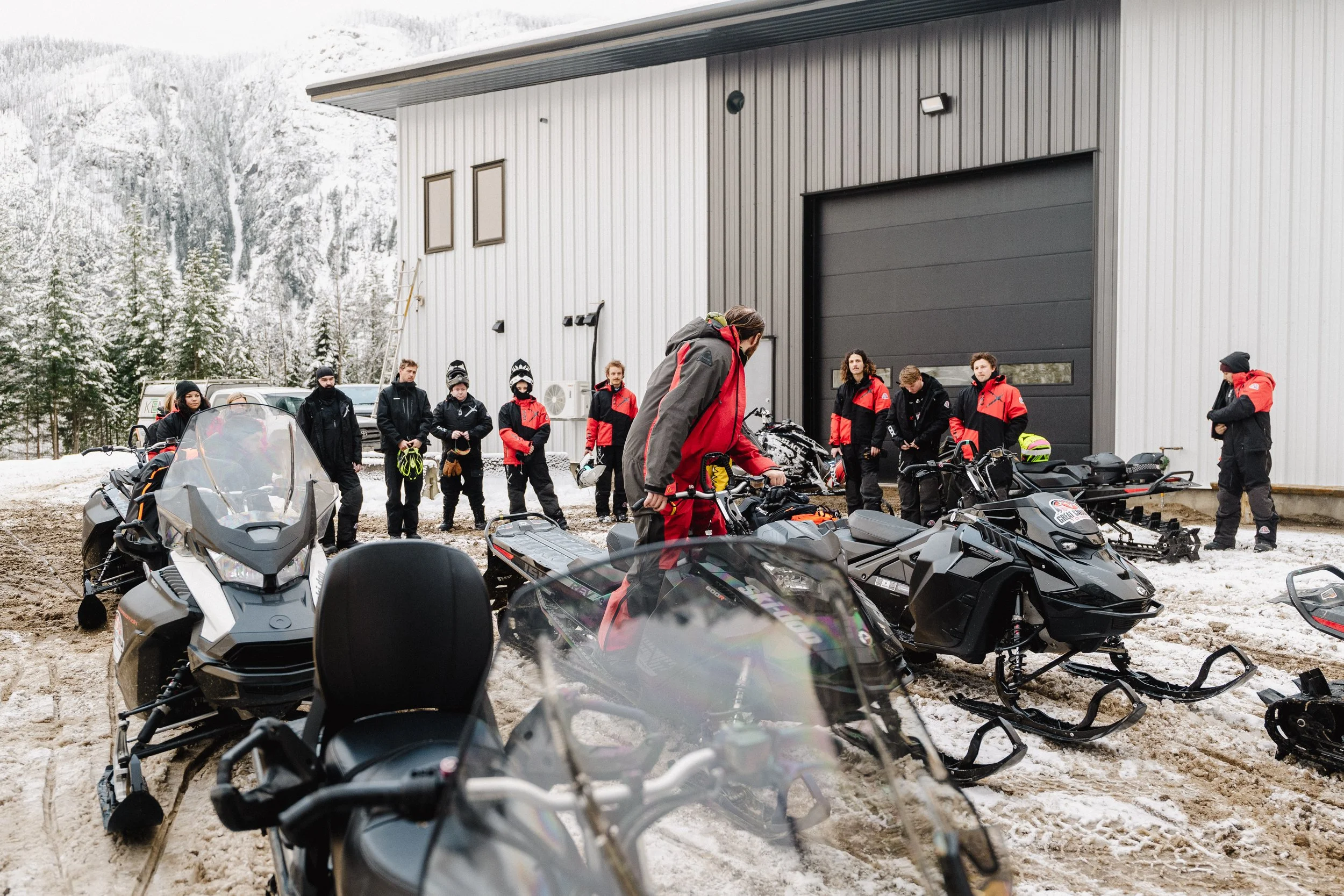
In Revelstoke, Great Canadian Tours has spent nearly three decades at the sharp end of that evolution. What began in 1998 as a relatively small operation with a handful of sleds and guides at Glacier House Resort has grown into an established mountain snowmobile guiding operation.
The sport has grown up around them. So has the job of guiding it. And as it turns out, there's a remarkable amount of work behind a great day in the mountains.
CONTINUE THE SERIES
CHAPTER 2: THE WORK BEHIND THE RIDE
What does it take to deliver a great day in the mountains? Go behind the scenes with Great Canadian Tours in Revelstoke, where the work begins long before the engines do.