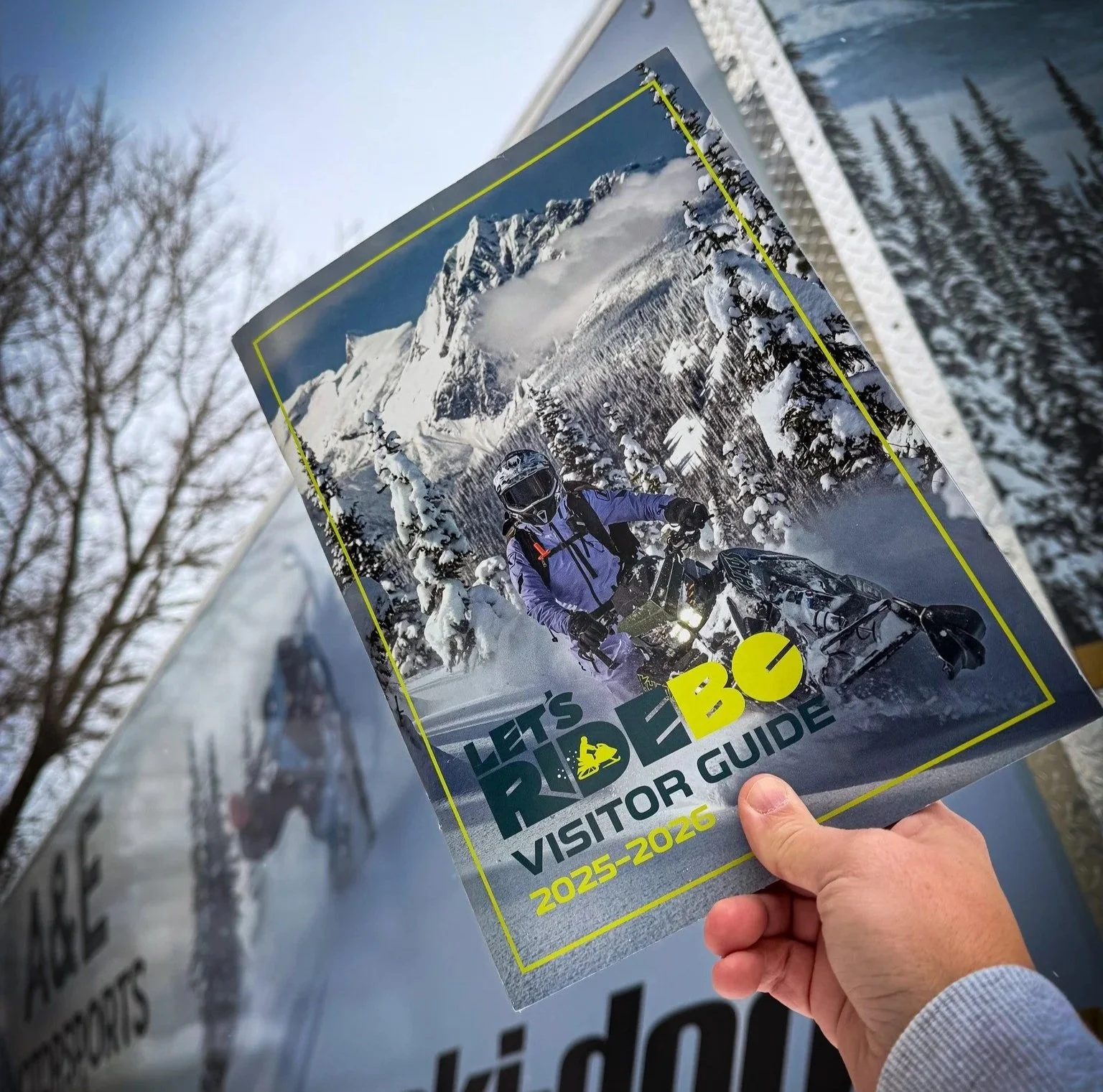
SPRING RIDING IN BRITISH COLUMBIA: RIGHT ON TIME
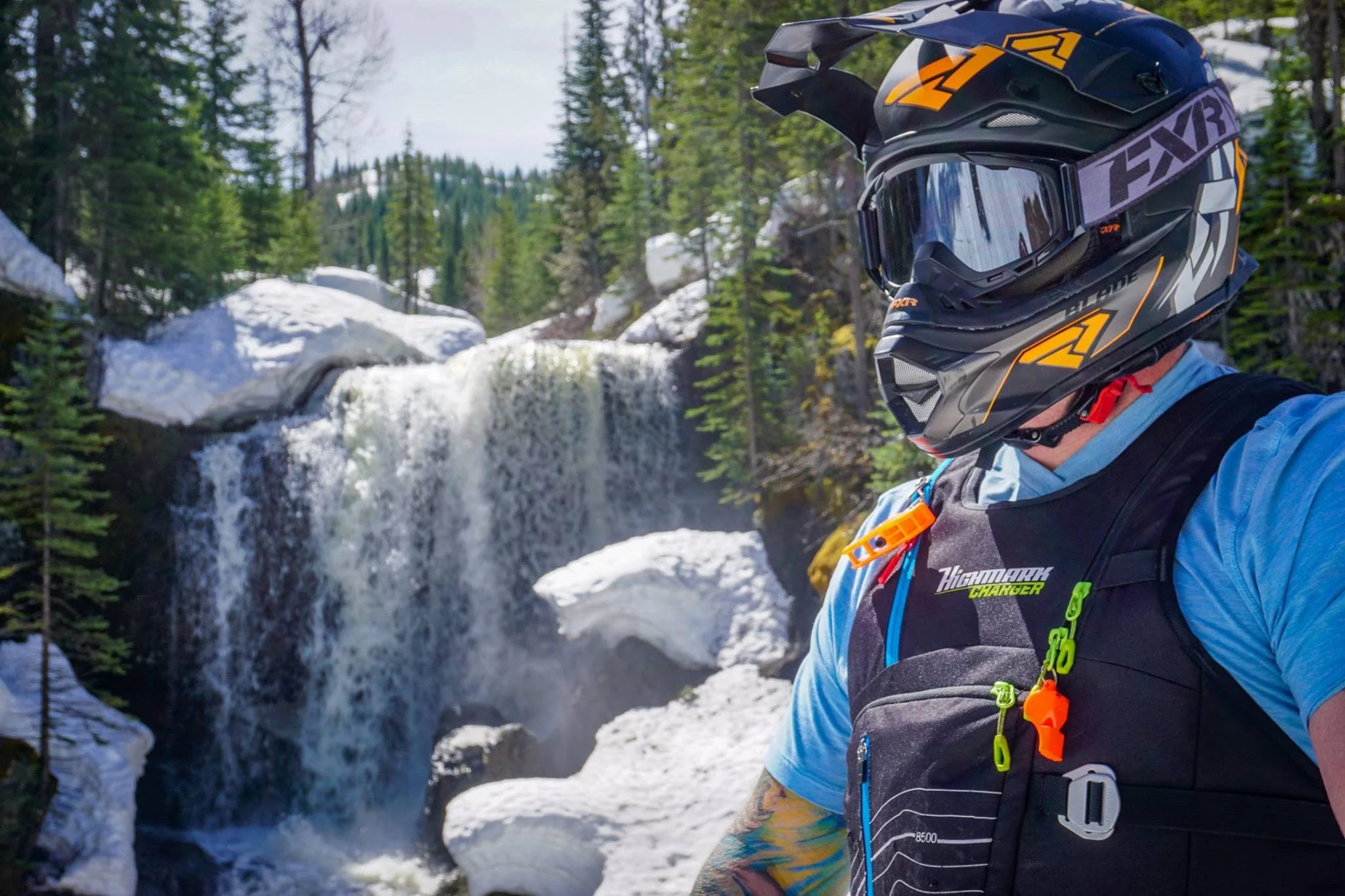
photo: Nicole Matei
There’s a moment every winter when riders start to wonder if the season is winding down. The sun sits a little higher in the sky. Snowbanks shrink in town. Trails soften in the afternoon.
But if you’ve spent enough time in the mountains, you know something else is happening at the same time.
Spring riding is just getting started.
Across British Columbia’s riding zones, this time of year brings a different rhythm to snowmobiling. Storm cycles slow down, the snowpack stays deep in the mountains, and clear days become more common. The frantic pace of powder chasing fades, replaced by long, sunlit days in the alpine with good friends and time to enjoy the ride.
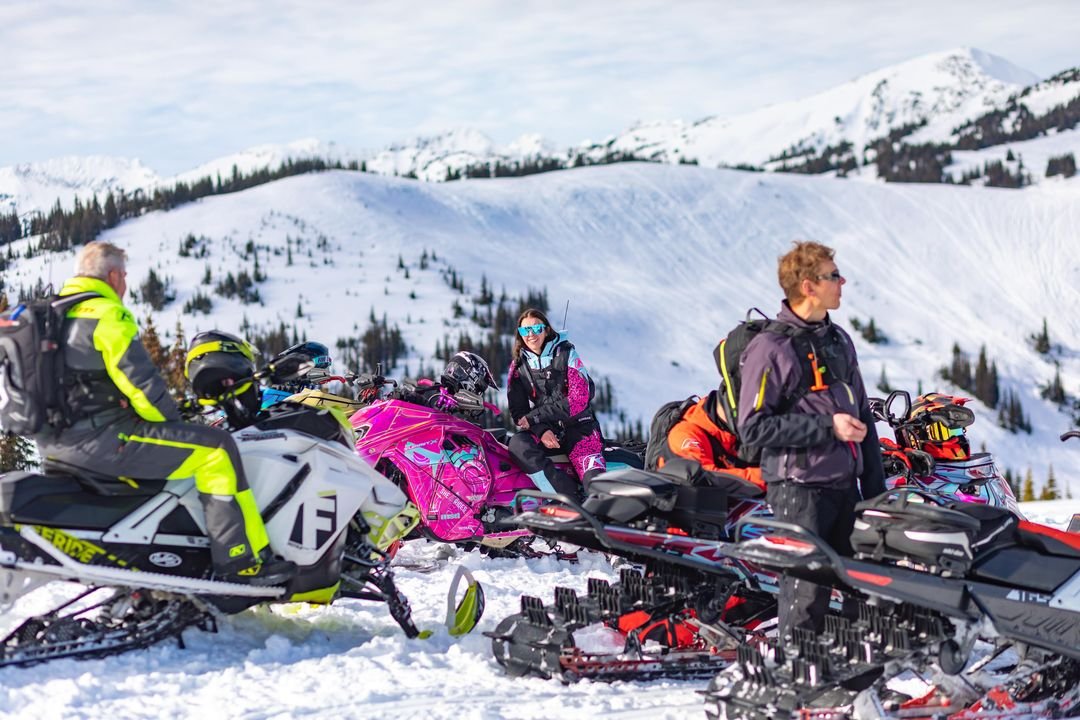
photo: Taylor Gidney
SPRING RIDING IS ALL ABOUT TIMING
Overnight temperatures and daytime warming shape the snowpack, and those small changes can completely define what a day in the mountains will feel like.
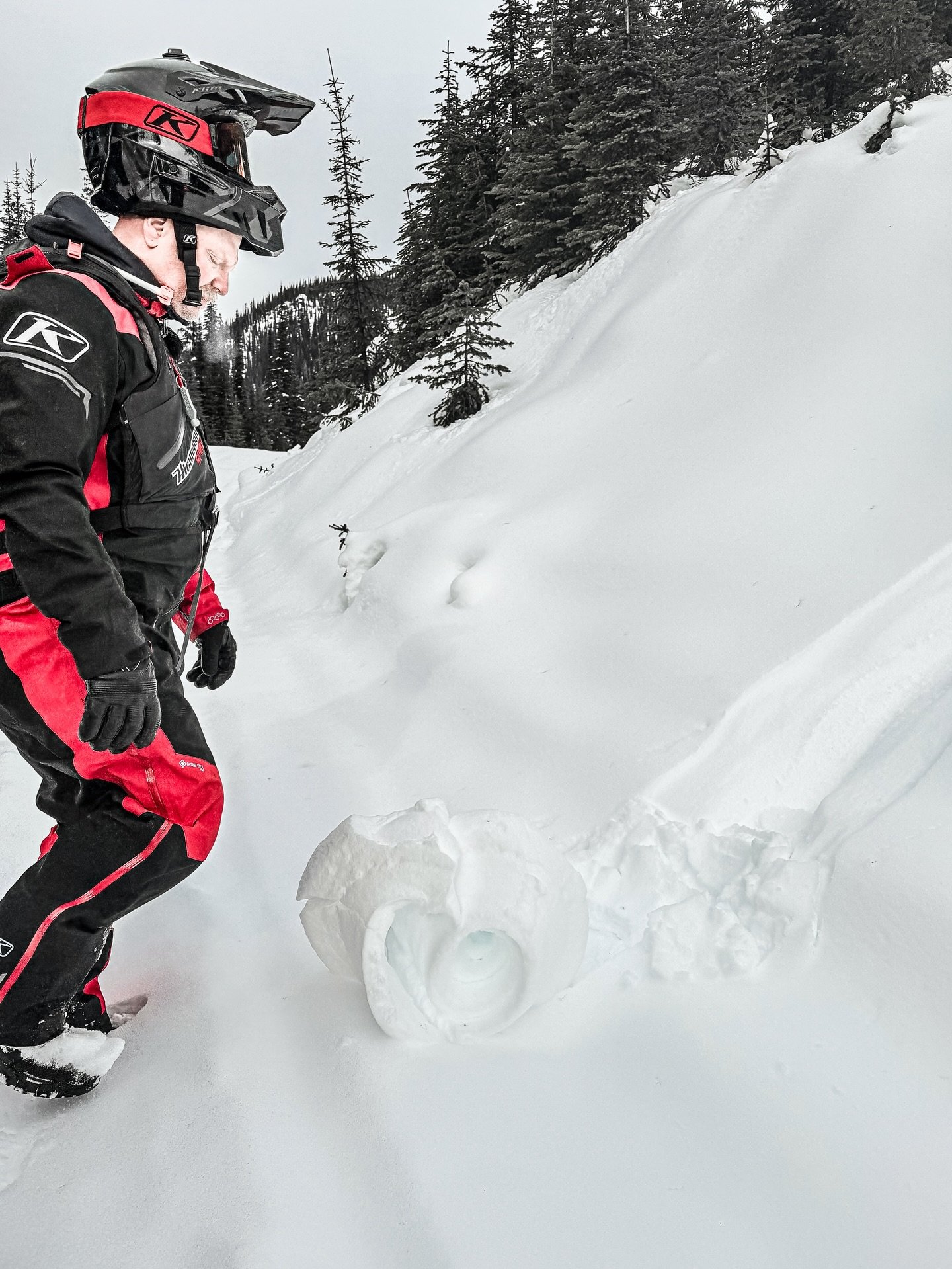
Sometimes a late-season storm rolls through and refreshes the alpine with new snow. But more often, spring brings a melt–freeze cycle. Warm afternoons soften the snow, and cooler nights refreeze the surface. That means mornings can be downright boilerplate—hard, icy, and almost impenetrable to skis and tracks.
But give the sun a little time and things begin to change. As the surface softens, the snow often turns carve-able and the mountain suddenly feels playful again.
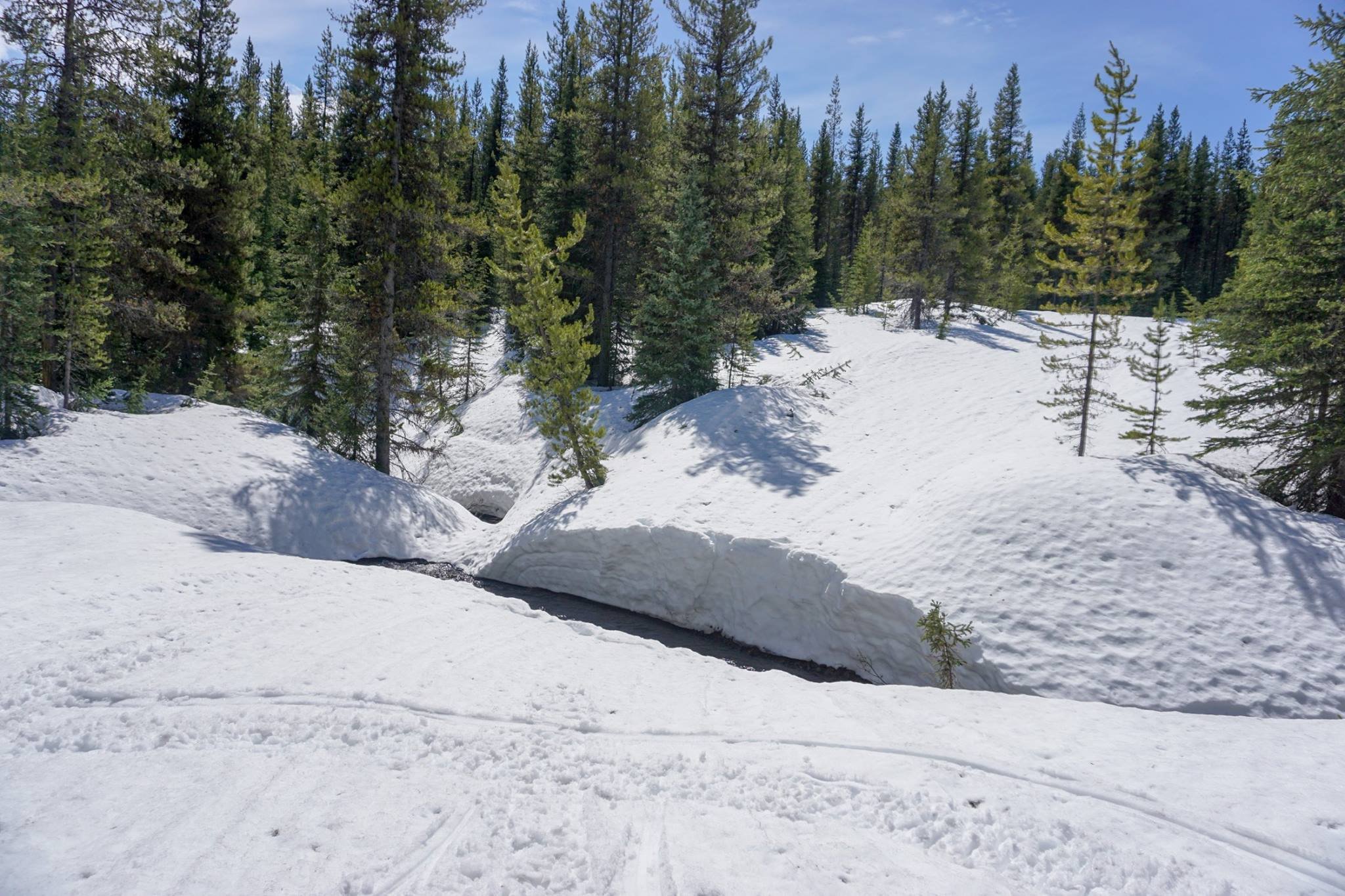
Other days there’s little or no overnight refreeze. When that happens, the snow can start soft and become even more saturated as the day warms. Wet avalanches and cornice fall become more likely, and melting snow can reveal terrain that was buried earlier in the winter—creeks begin to open up and snow bridges weaken as the season progresses.
Aspect matters too. South-facing slopes warm quickly under the sun, while north-facing terrain often holds better snow longer into the afternoon.
Spring riding is about recognizing that window when the surface has just started to soften but still holds you up. When the snow becomes deep, wet, or unsupportable, it’s usually a sign the ride window is closing.
A DIFFERENT PACE
Spring riding changes the rhythm of the day.
Instead of rushing to the trailhead at sunrise, many riders take their time. Maybe it’s breakfast at a local café or coffee in town before loading up. By the time the sleds unload, the sun has usually started softening the snow.
With daylight stretching well into the evening, there’s rarely a rush to head home. Some of the best rides of the season end watching the sun drop behind a ridge with your crew.
Spring also brings a more relaxed energy to the mountains. Warmer temperatures and longer days make it a great time to ride with family or introduce someone new to the sport. Without the pressure of chasing the next storm cycle, riders can slow down, explore a little more, and stay out a little longer.
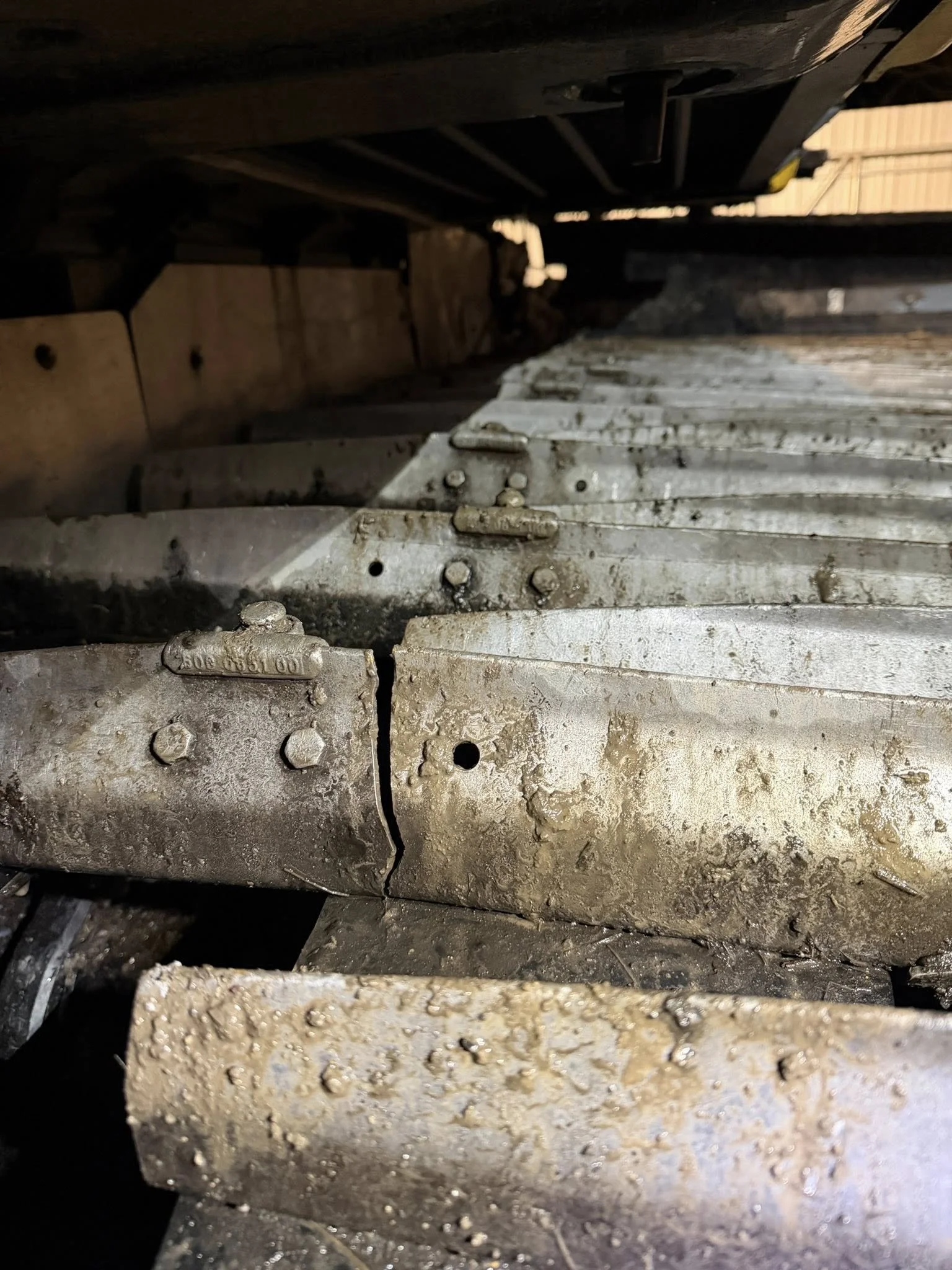
Spring conditions also ask riders to adapt their gear. Bright alpine sun means darker goggle lenses, sunscreen, and lighter layers. Sunglasses often come out during long breaks in the sun. And firm trails don’t always throw enough snow into the tunnel to cool a sled, which is why scratchers become essential this time of year. It’s also wise to keep an eye on hyfax wear and engine temperatures on harder snow surfaces.
RESPECT THE TRAIL
Spring conditions can be especially challenging for snowmobile clubs.
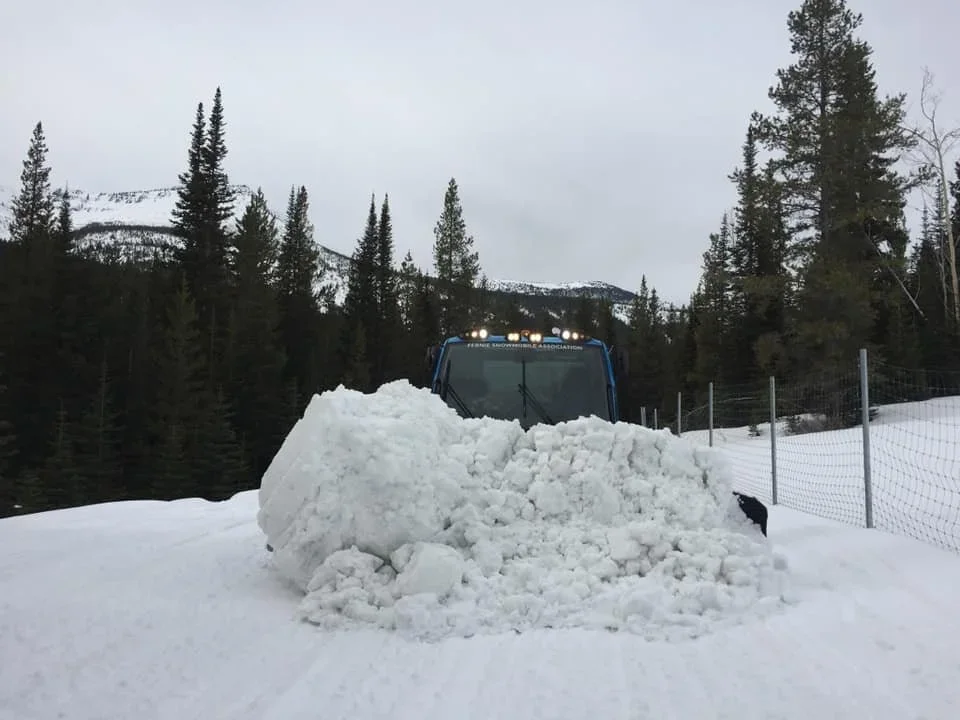
Snow with higher moisture content behaves very differently than mid-winter powder. When grooming, the wet snow sticks to blades, drags, and tillers, leaving ridges and clumps instead of the smooth corduroy riders enjoy all winter. If temperatures stay warm overnight and the snow doesn’t have a chance to refreeze, even freshly groomed trails can be expected to whoop up quickly and snow is more easily pushed to the sides of the trail exposing bed ice below. Once the snow has dirt or rocks mixed in, it melts significantly quicker and can be the beginning of the end for the snowbound trail.
Rising freezing levels and degrading valley bottom conditions push the to snowline higher elevations. Many clubs store their snowcats in the valley, and travelling long distances on bare dirt roads or bed ice to reach the snow is extremely hard on the machines—wearing down grouser bars, damaging tracks, and adding significant maintenance costs. So while conditions may still be suitable up top, clubs often have to make the hard decision this time of year to shut down grooming operations.
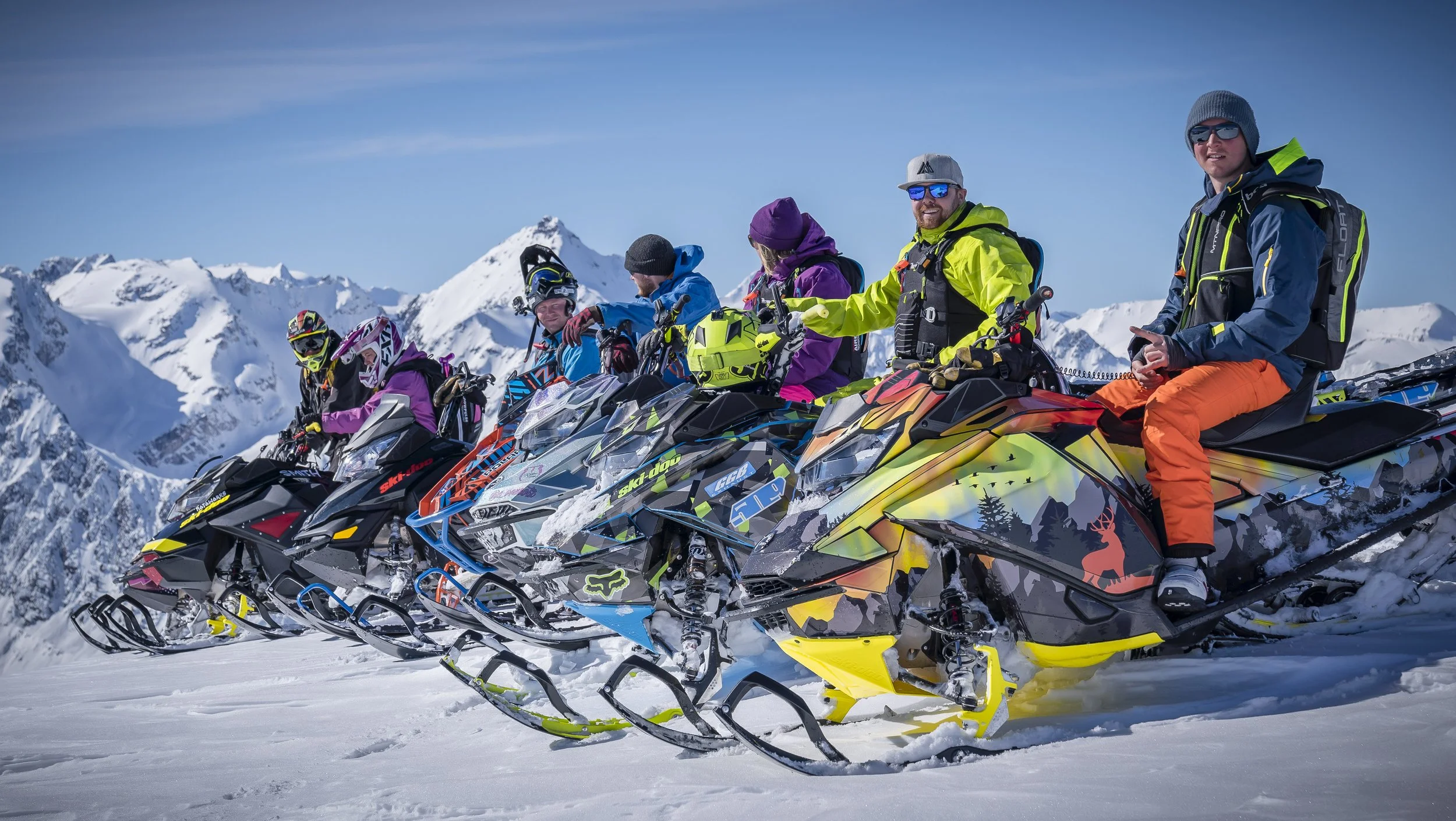
photo: Billy Stevens
CHASING THE SNOWLINE
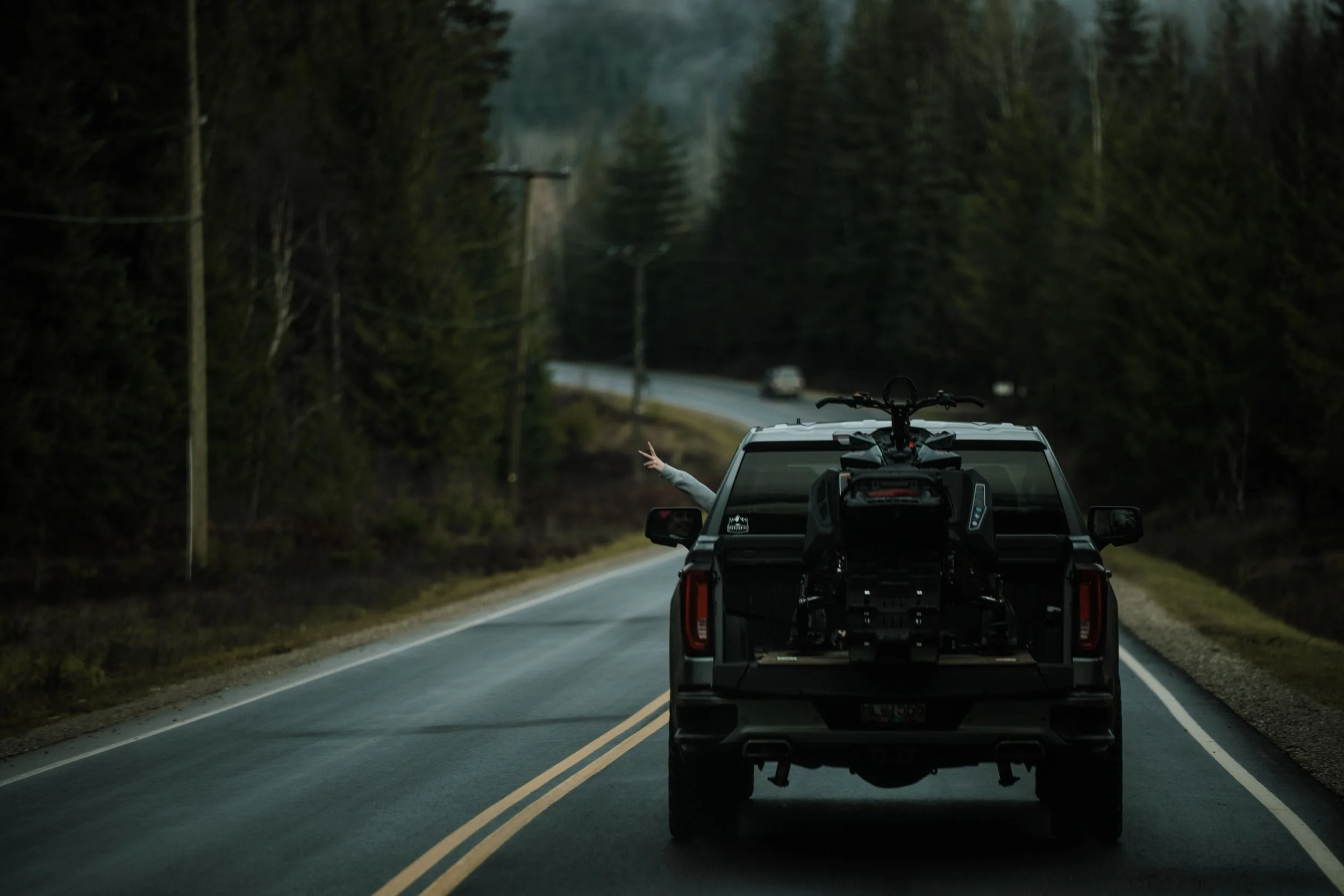
If your local club asks riders to park at a specific upper staging location, respecting it helps protect the trail and the equipment that maintains it. Driving wheeled vehicles farther up a winter snowmobile trail can chew up the remaining snowpack and accelerate melt-out, while leaving ruts that reduce the quality and safety of the riding experience.
In many riding areas, driving a wheeled vehicle on a snowbound trail before May 1st can also be a finable offence under the Forest and Range Practices Act.
If you come across trail trash in the melt, take a moment to pack it out. Small gestures like that help clubs enormously and show that snowmobilers care for the landscapes we ride in.
Spring is also when some seasonal snowmobile access permits begin to expire and certain riding areas may close to protect wildlife or sensitive landscapes. Checking local club updates and the BC Provincial Snowmobile Trail Map before heading out helps ensure you’re riding in areas that remain open for the long term.
ONE MORE RIDE
Spring can be a great time to plan a sled trip. Many mountain communities move into shoulder season, which can mean easier accommodation booking and a little more breathing room at staging areas. Stable high-pressure weather systems also become more common, bringing clear days and big alpine visibility that are perfect for booter sessions or photos with your crew.
It’s also when many snowmobile clubs host their final rides and gatherings of the season—one more chance to connect with the people and places that make BC snowmobiling special. You can check out the full events calendar HERE.
Don’t forget that those late-season trail passes matter too. Your spring dollars help volunteer clubs close out the winter and start preparing for the next one. So if you enjoyed your season and want to give a little extra to boost the club or you are squeezing in a few more days, visit HERE, to get your membership, day ticket, or contribute to a club fundraising campaign of your choice.
Because even as conditions begin to warm, the trails are still holding on.
And for a little while longer, the mountains are still calling.
SPRING RIDING ISN’T OVER YET
From high alpine zones that hold snow late into the season to welcoming mountain towns ready for your next sled trip, there are still plenty of places across BC where the ride continues.